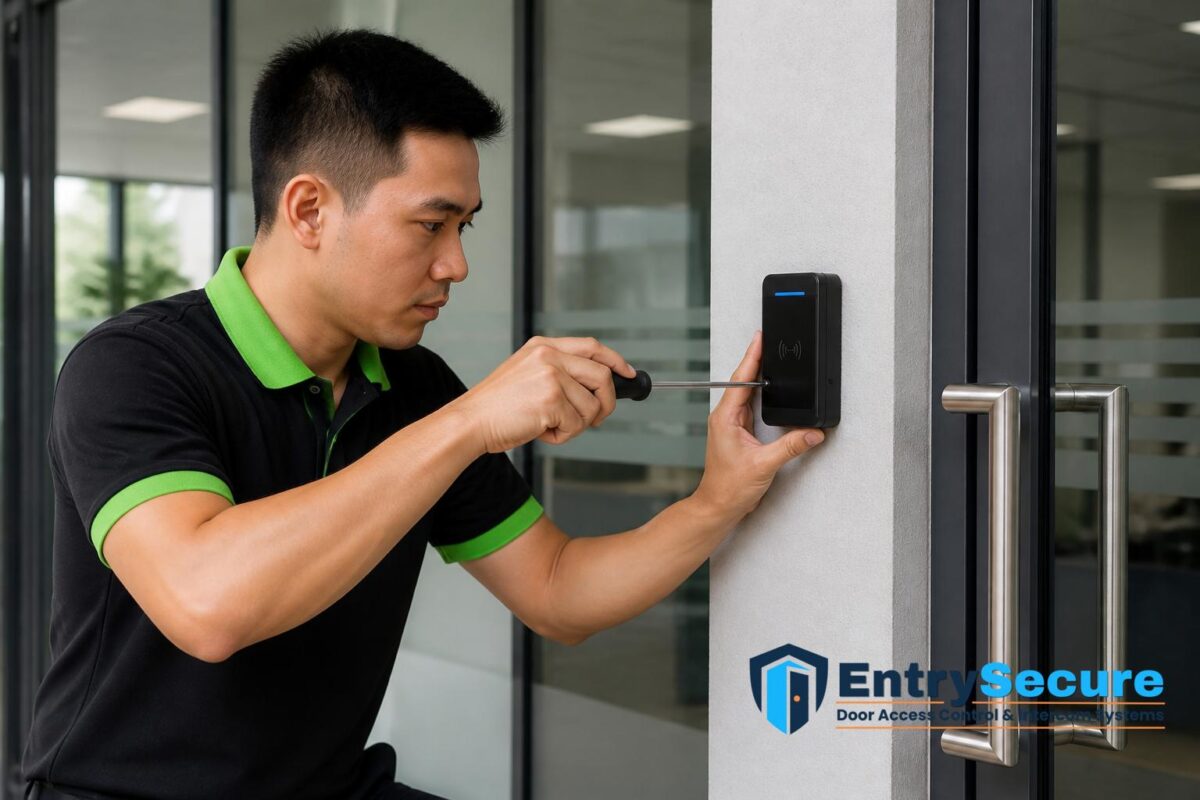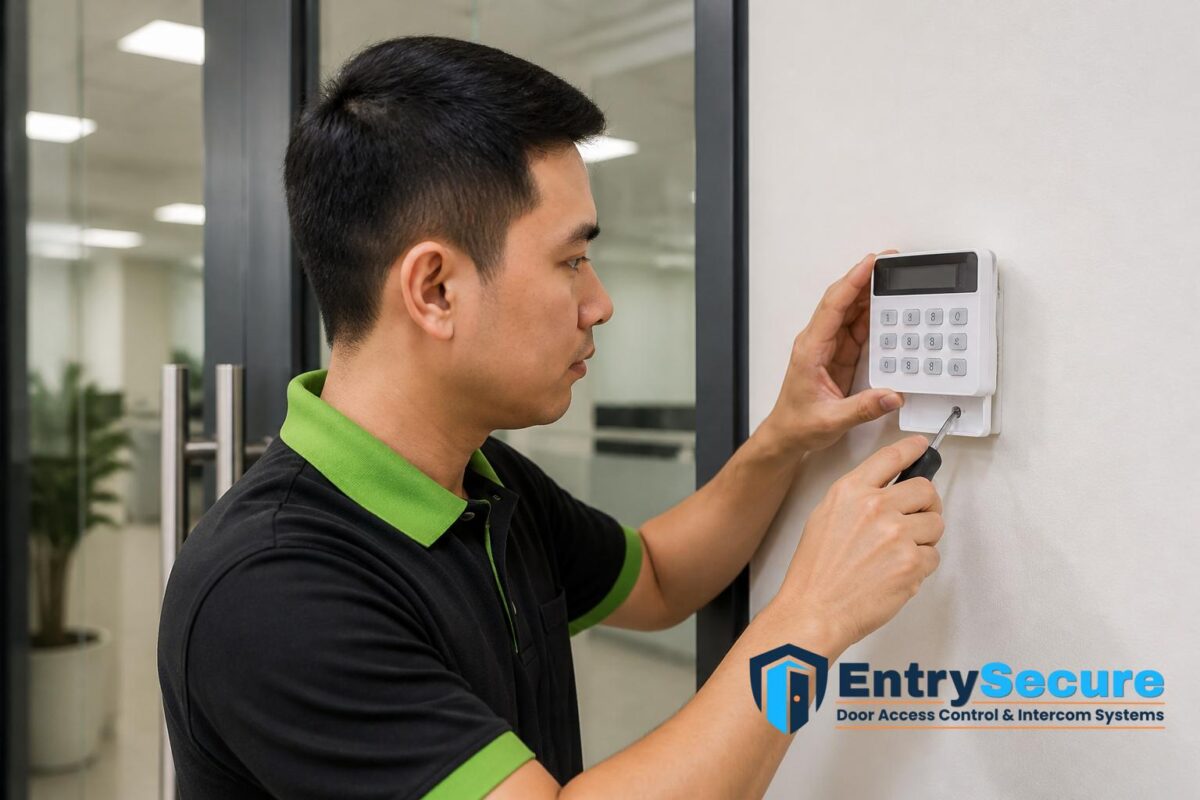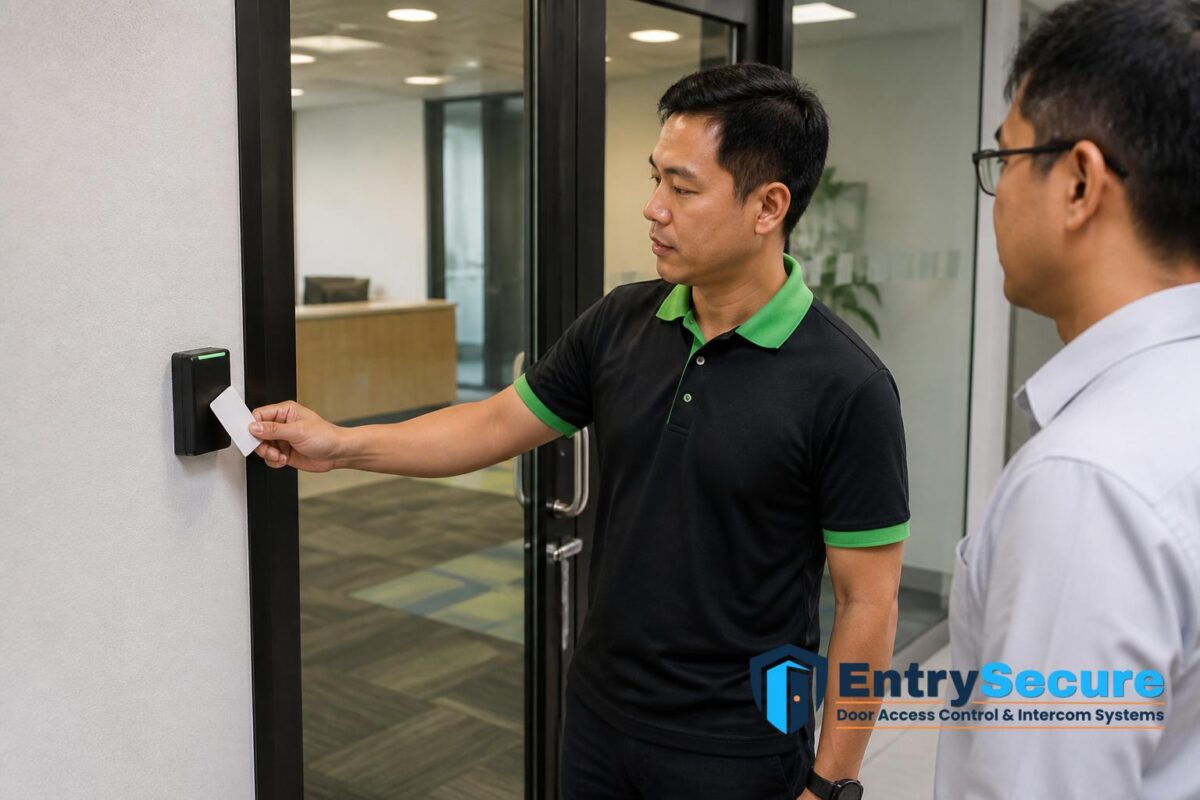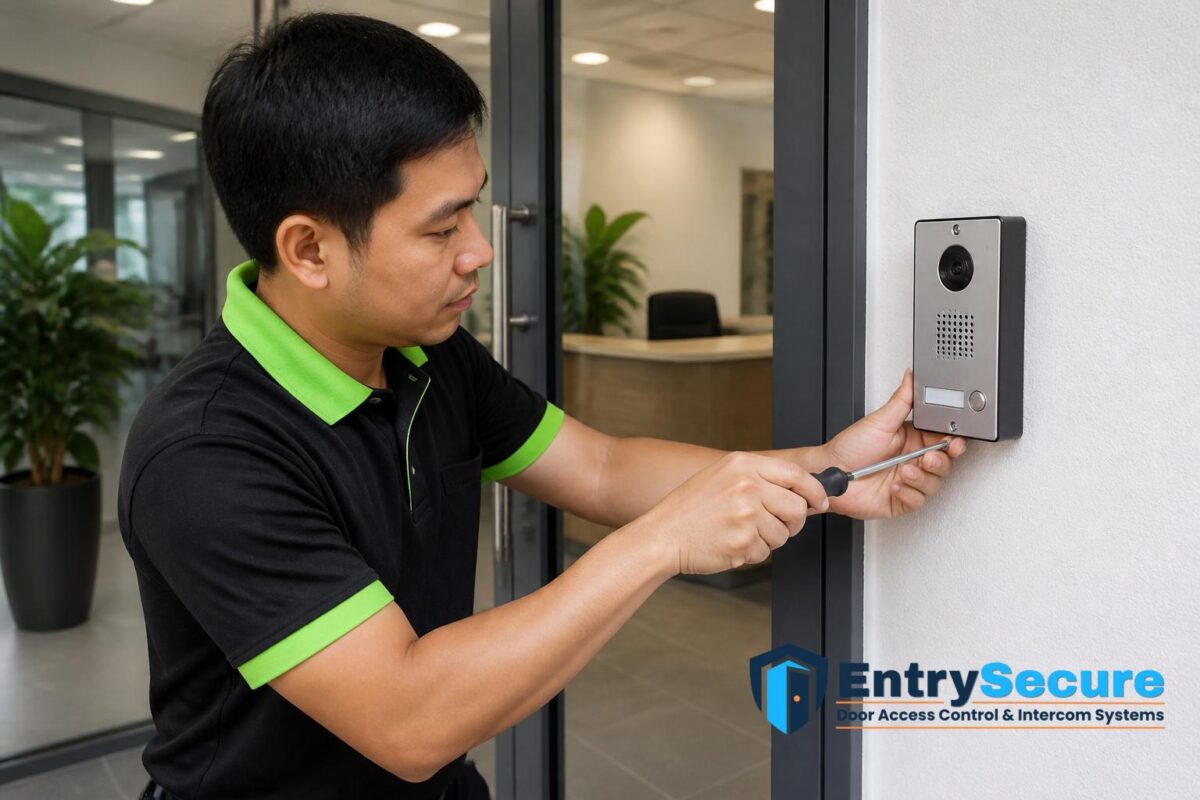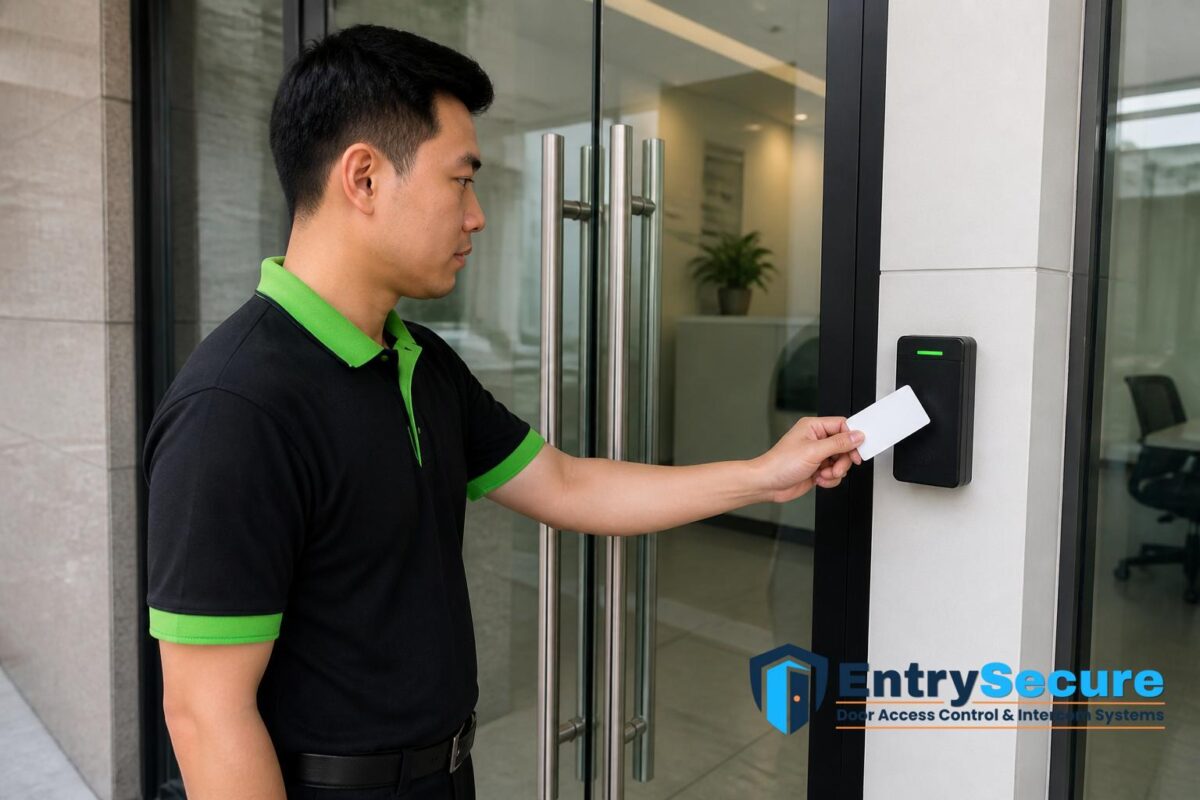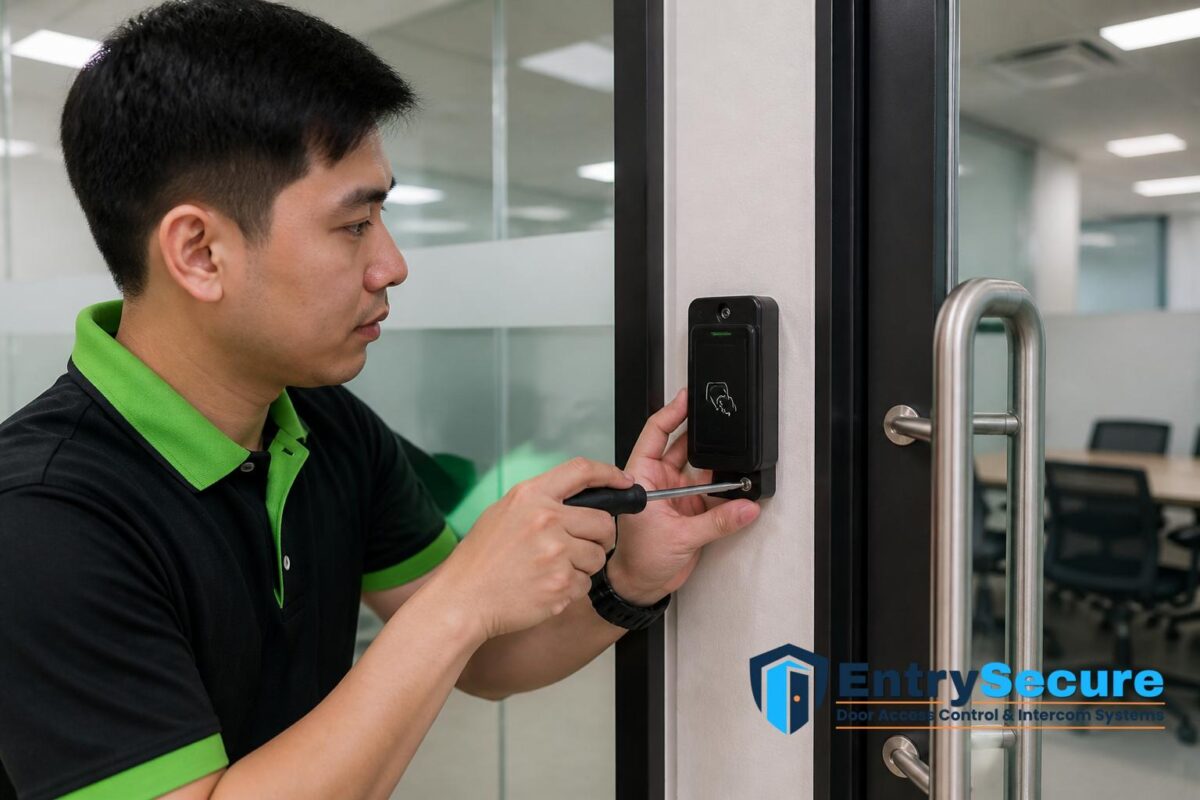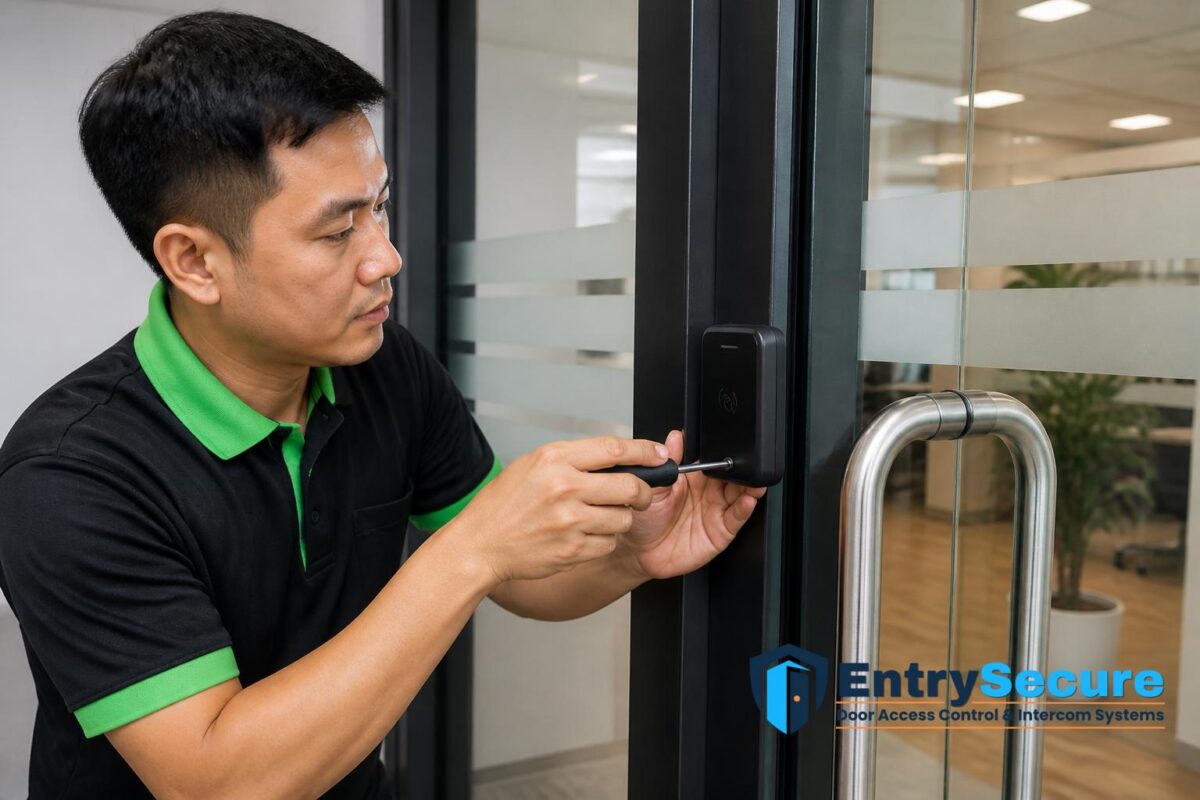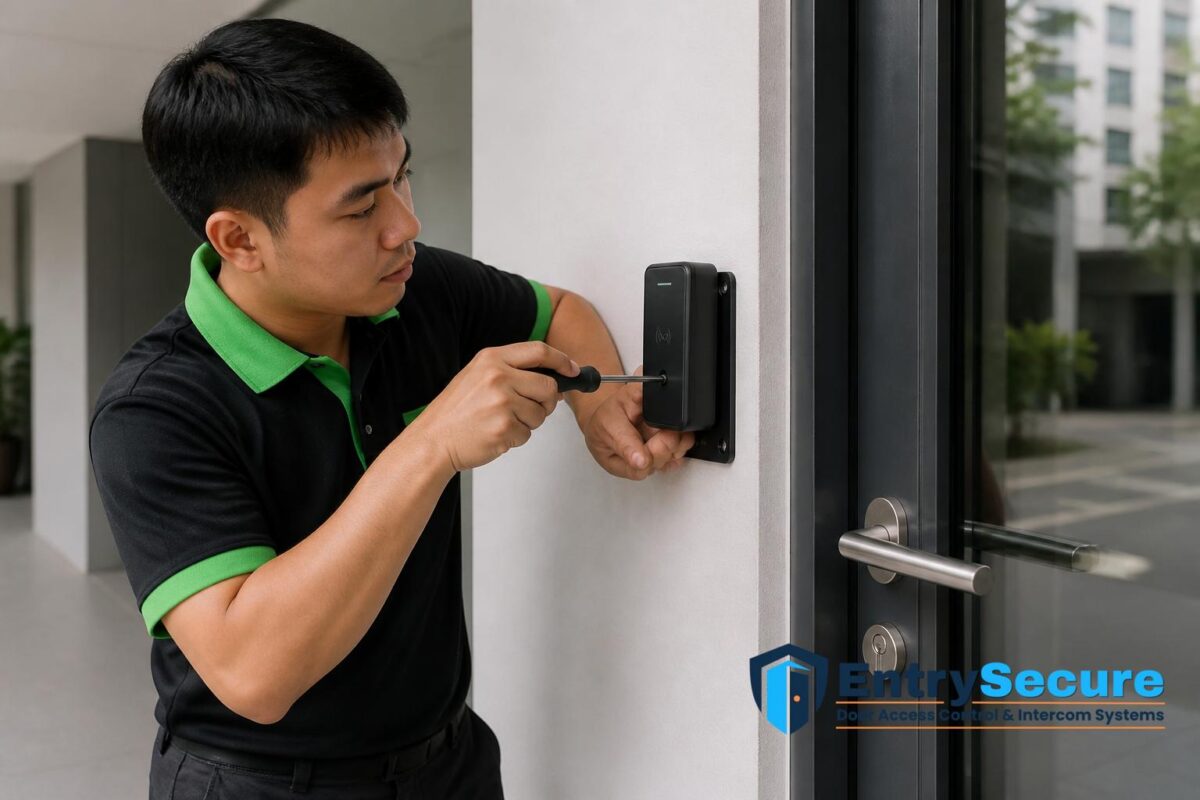

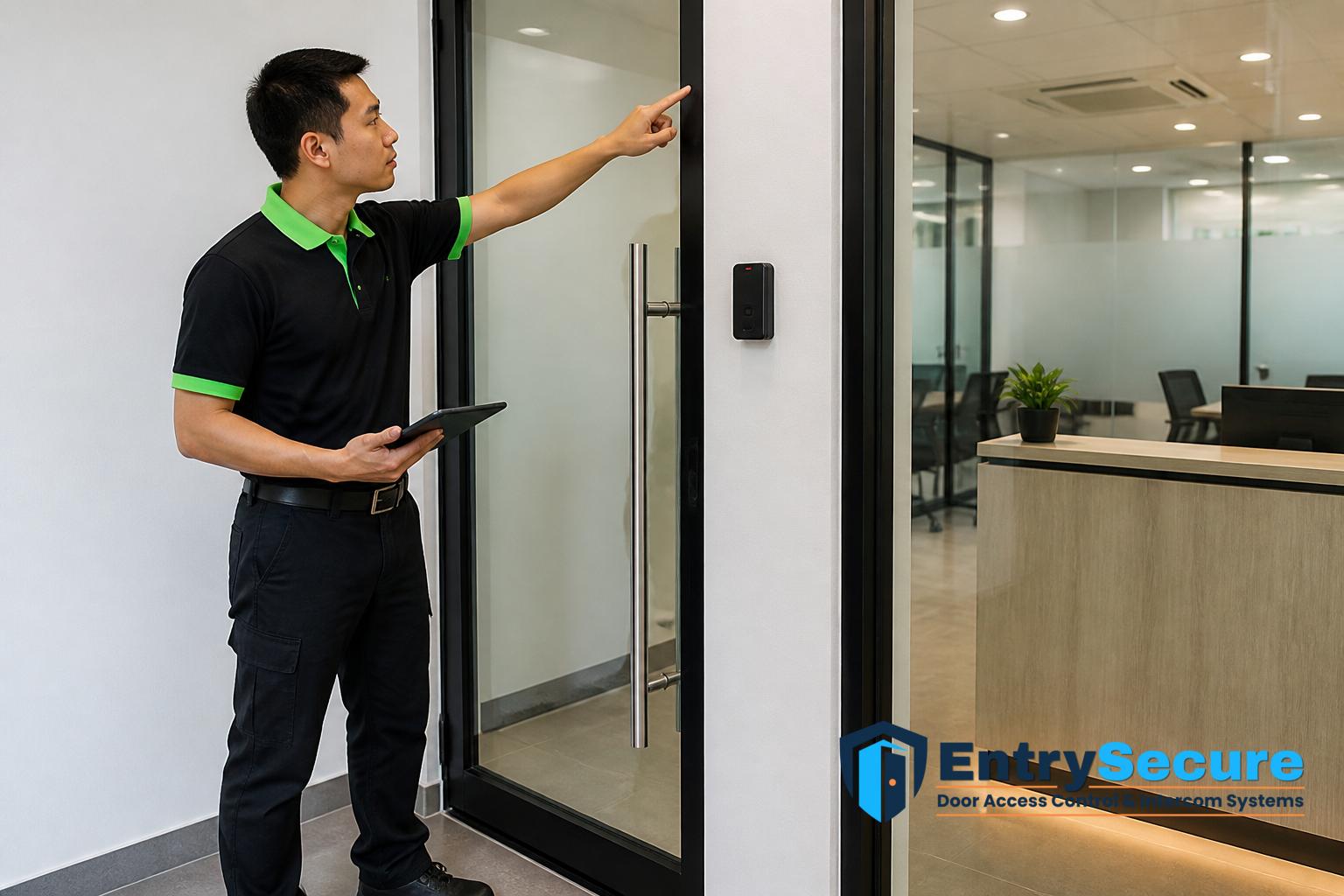
A home security system for Singapore properties usually includes a combination of entry monitoring, intrusion detection and alert devices designed to help homeowners keep an eye on access points and unusual activity. The exact setup depends on the property type, layout, number of entrances and the level of monitoring the household wants, but most systems are built around a small number of core components that work together rather than as separate standalone devices.
In Singapore, the right arrangement for a home often starts with the front door, main gate, service yard and other practical access points. For some homes, a basic alarm system may be enough; for others, adding an intercom or CCTV may make daily monitoring more convenient. Understanding what is usually included helps homeowners make sensible decisions before installation, upgrade or replacement.
Core components commonly found in a home security system
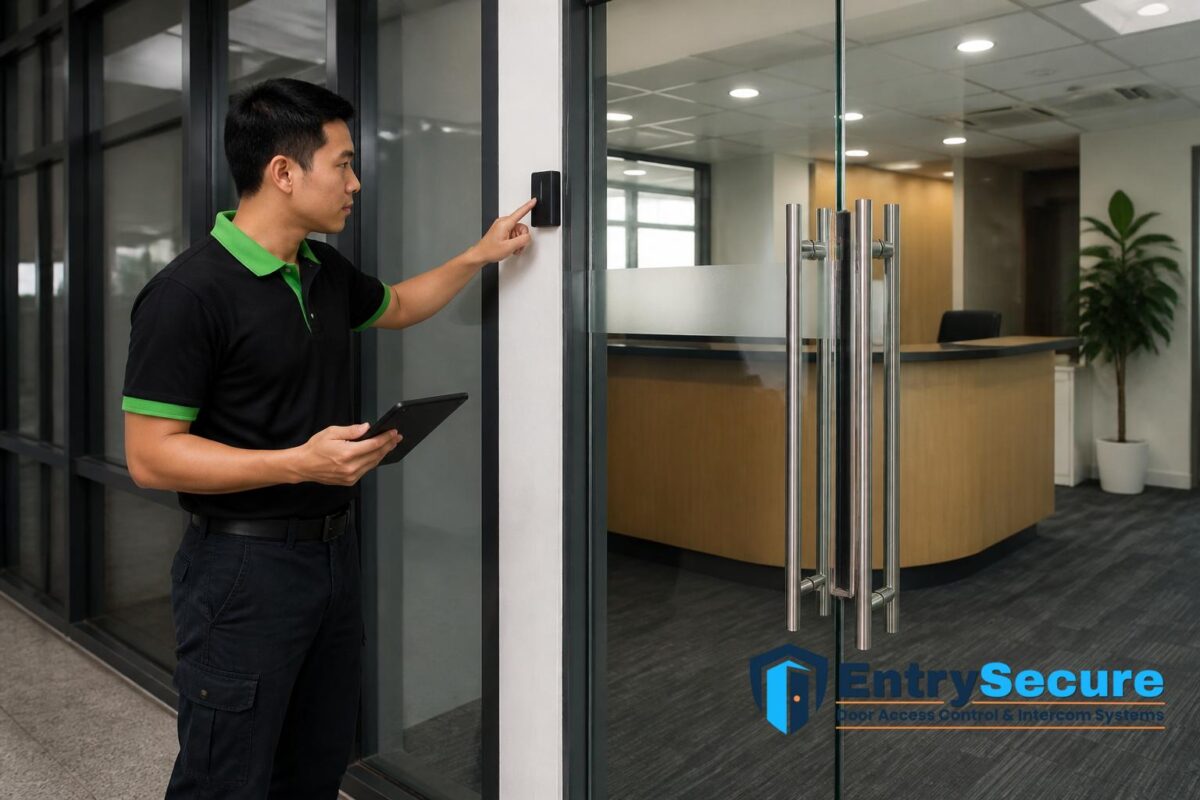
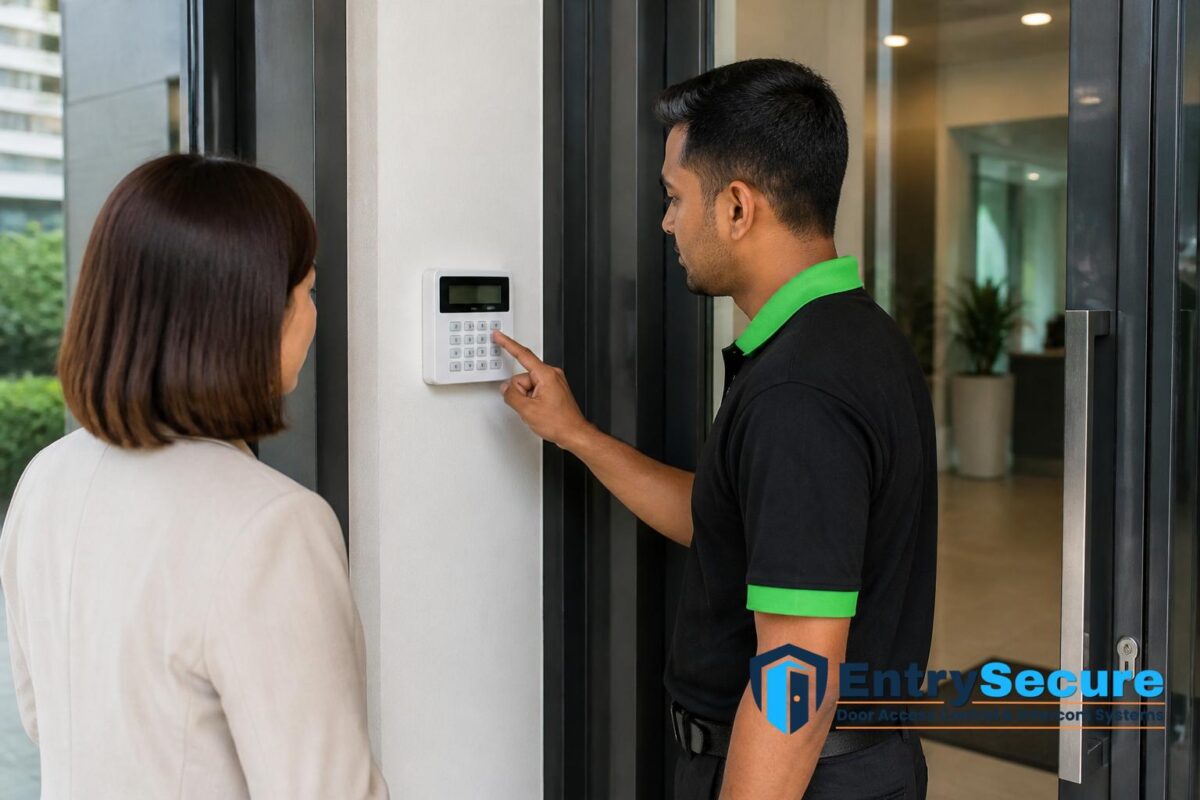
A typical home security system often includes a control panel or central hub, sensors for doors and windows, a siren or alert device, and user controls for arming and disarming the system. These elements form the foundation of the system and allow the household to monitor entry points and receive alerts when something changes unexpectedly.
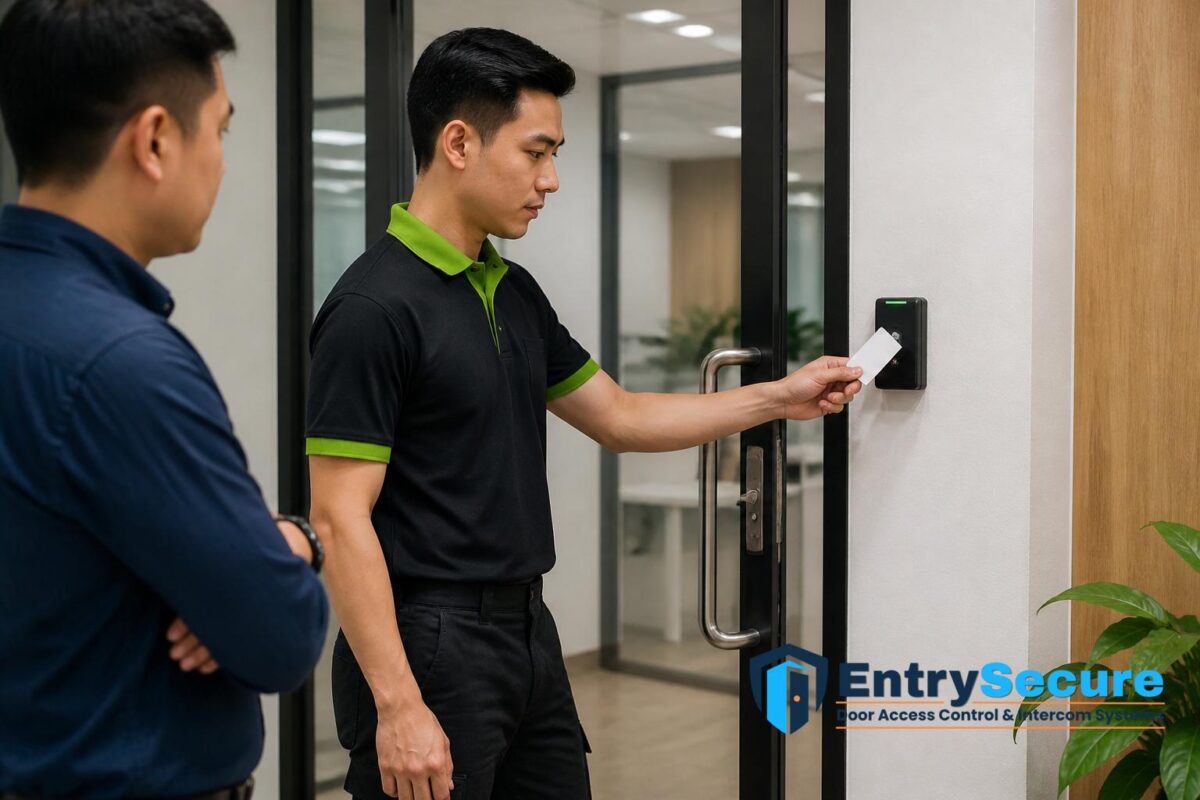
Depending on the property, the system may also include motion detectors, panic buttons, keypad entry, remote app access or notification features. Not every home needs every component, so the most suitable setup usually comes from assessing how the family uses the property and which access points need the most attention.
Door and window sensors for entry-point monitoring
Door and window sensors are among the most common parts of a home security system. They are generally placed on main entrances, balcony doors, back doors and lower-level windows where practical monitoring is needed. When a monitored opening changes state, the system can trigger an alert or record the event depending on the setup.
For Singapore homes, this type of monitoring is especially useful where there are several access points or where the family spends long periods away from home. Professional installation matters because sensor placement must be neat, dependable and suited to the frame, surface and door or window design.
Alarm devices and audible alerts
An alarm device is often included to provide an immediate sound alert when a sensor is triggered or when the system detects an unusual event. The purpose is to draw attention quickly and encourage occupants to check the situation. In many residential setups, the alarm is part of the broader home alarm system rather than a separate product.
Placement is important because the sound should be noticeable inside the property without being disruptive to neighbours or unsuitable for the living environment. During installation, the installer usually tests trigger points, alert behaviour and volume settings to ensure the system functions as intended for the home layout.
Intercoms and entry communication for homes
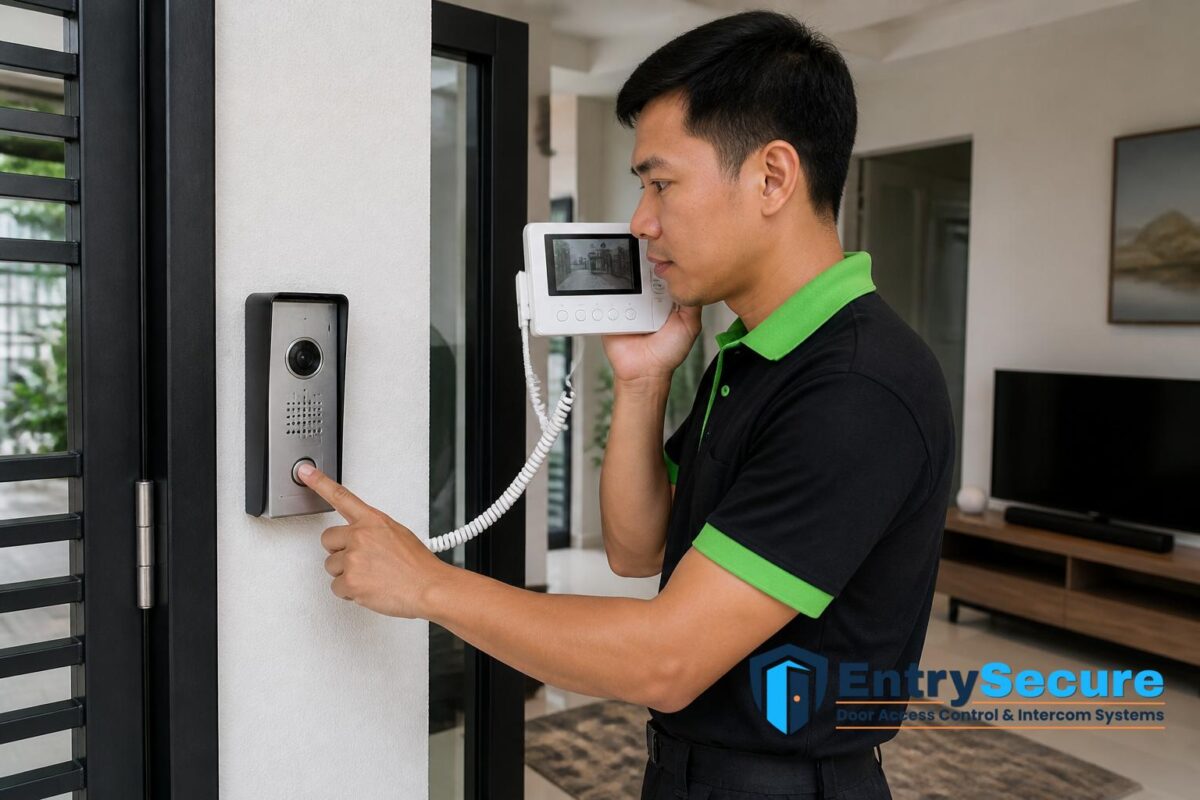
Some Singapore properties include a home intercom system alongside the security system, particularly where residents want a convenient way to communicate with visitors before opening a gate or door. Intercoms can help with everyday access management and are often useful in homes with a gate at the front entrance, shared access areas or multiple storeys.
When included, an intercom should be planned around the property’s entry points and wiring routes. It is not the same as an alarm or a sensor system, but it complements them by improving communication at the door. For many households, this makes day-to-day entry handling more practical and organised.
CCTV as an additional monitoring layer
CCTV is often added to a home security arrangement when the household wants visual monitoring of entrances, driveways, gates or common approach areas. Cameras do not replace alarms or sensors, but they can provide a clearer view of what is happening around the property and support after-event review.
The most effective camera placement usually depends on the property layout, lighting, field of view and cable routing. For Singapore homes, it is sensible to focus on practical coverage rather than adding unnecessary devices. A professional installer can advise on where cameras will be most useful without creating blind spots or awkward placement.
Power, cabling and system setup
Behind the visible devices, a home security system also relies on proper power supply, cable management and setup. Hardwired components need neat and secure routing, while other devices may require careful positioning to maintain reliable communication and ease of use. Good installation helps reduce loose wiring, accidental damage and inconvenient operation.
System setup usually includes configuring user access, setting alert behaviour, checking device response and ensuring the household understands how to use the controls. This stage is important because even a well-chosen system can underperform if it is not properly configured for the property and the people using it.
Testing, handover and suitability for the property
Before a home security system is considered ready, it should be tested across the relevant entry points and operating modes. This may include checking whether sensors respond correctly, whether the alarm activates as expected, whether notifications work and whether intercom or CCTV functions are correctly set up if included in the arrangement.
Suitability matters just as much as the individual components. A small apartment may only need a simple alarm and entry monitoring, while a landed home may benefit from a broader setup covering multiple access points. The best arrangement is usually the one that matches the home’s structure, daily routine and monitoring needs without unnecessary complexity.
If you are planning a home security system for your Singapore property, WhatsApp EntrySecure Door Access Control & Intercom Systems Singapore with your property type, entry point details, photos, current equipment and the security scope you need so the team can suggest a suitable arrangement and quotation.
Conclusion
A home security system for Singapore properties usually includes sensors, alarm devices, a control unit and, where useful, intercom or CCTV support. The exact combination depends on the home layout, entry points and how much monitoring the household wants. With proper planning, neat installation and careful testing, the system can be arranged to suit the property in a practical and straightforward way.
Choose EntrySecure Door Access Control & Intercom Systems Singapore
EntrySecure Door Access Control & Intercom Systems Singapore offers practical security solutions for residential and commercial premises in Singapore. We provide access control, door access systems, intercom systems, security systems, alarm systems and security alarm systems for customers looking to improve access management and property protection.
Our team can recommend solutions based on your premises, entry points and security requirements, whether you need controlled access for an office, an intercom for visitor communication or an alarm system for added protection. CCTV services are also available for customers who want to include surveillance as part of their overall security setup.
From standalone installations to combined access and security solutions, we aim to provide straightforward recommendations and dependable installation. WhatsApp us at +65 8241 0032 for your door access, intercom, alarm and security system needs.
Frequently Asked Questions
What are the most common items in a home security system?
The most common items are a control unit, door or window sensors and an alarm device. Some homes also add intercoms or CCTV depending on the entry points and the level of monitoring needed.
Do all Singapore homes need CCTV as part of a security system?
No. CCTV can be useful for visual monitoring, but it is not necessary for every home. Many properties rely on sensors and alarms alone, while others add cameras for extra visibility at entrances or outdoor areas.
Should I choose a simple or more complete system for my home?
That depends on the property layout and how many access points need monitoring. A compact flat may only need a basic setup, while a larger home may benefit from a broader arrangement with more entry-point coverage and optional intercom or CCTV support.