
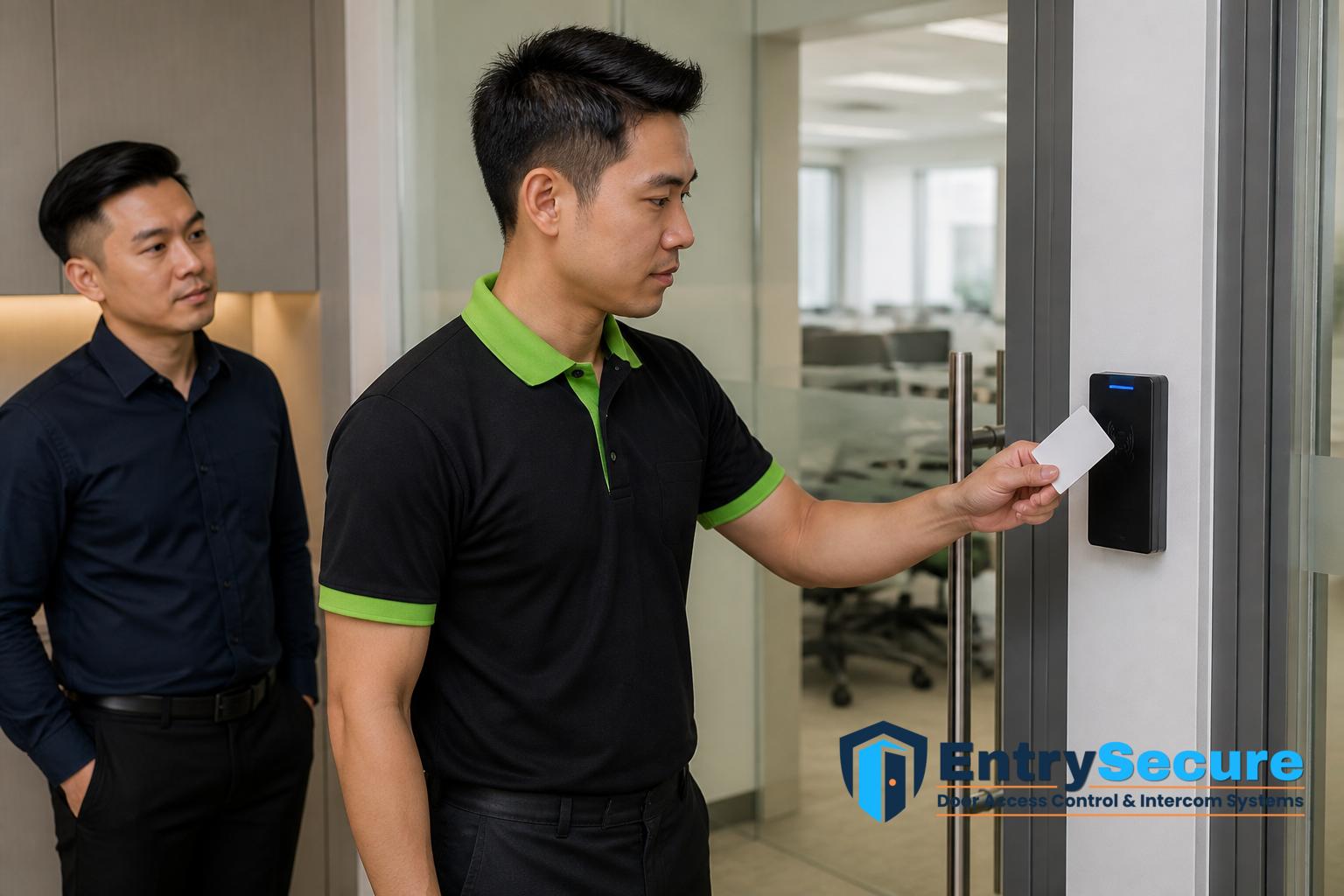
In Singapore offices, a door access system unlocks doors by recognising an approved access credential, checking it against the system settings, and then sending a signal to release the door mechanism for a brief entry period. This allows offices to control who can enter different areas, while keeping the process smooth for staff, visitors and approved contractors. The exact arrangement depends on the office layout, the type of entry point, and whether the door is meant for a single workspace, a shared corridor, or a higher-security room.
What happens when a credential is presented
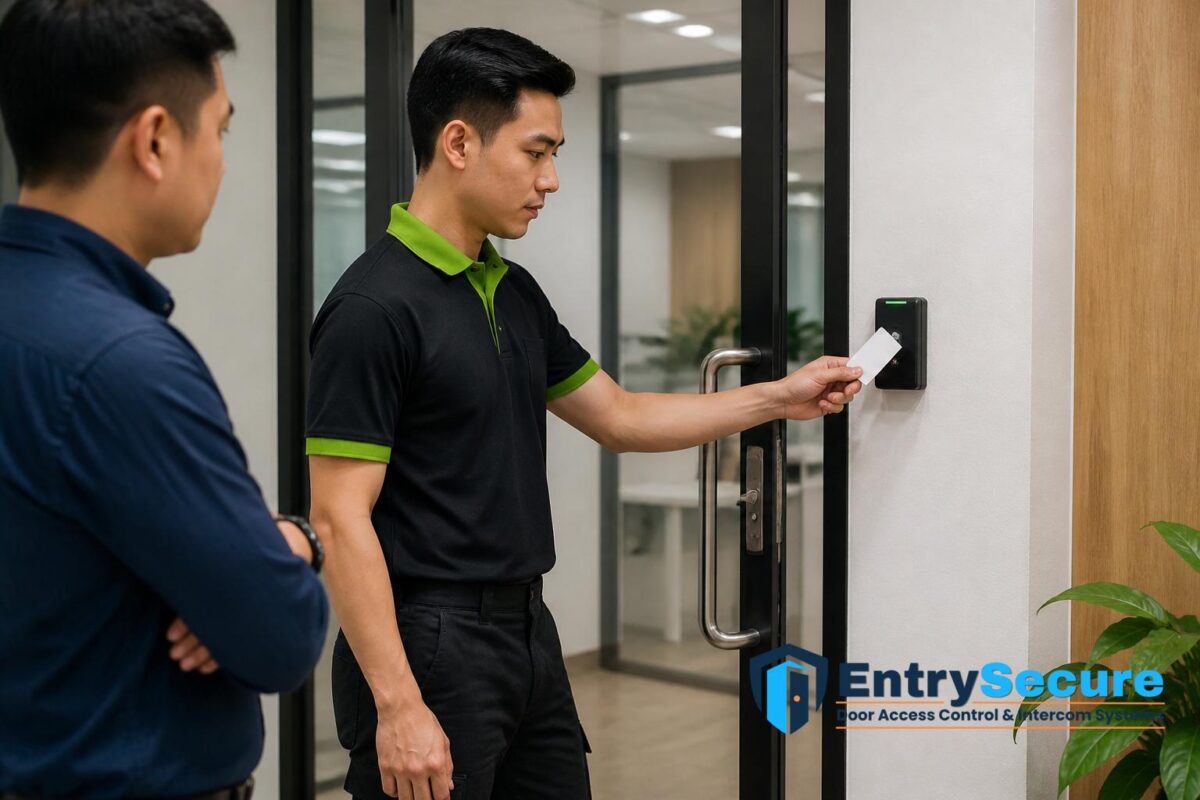
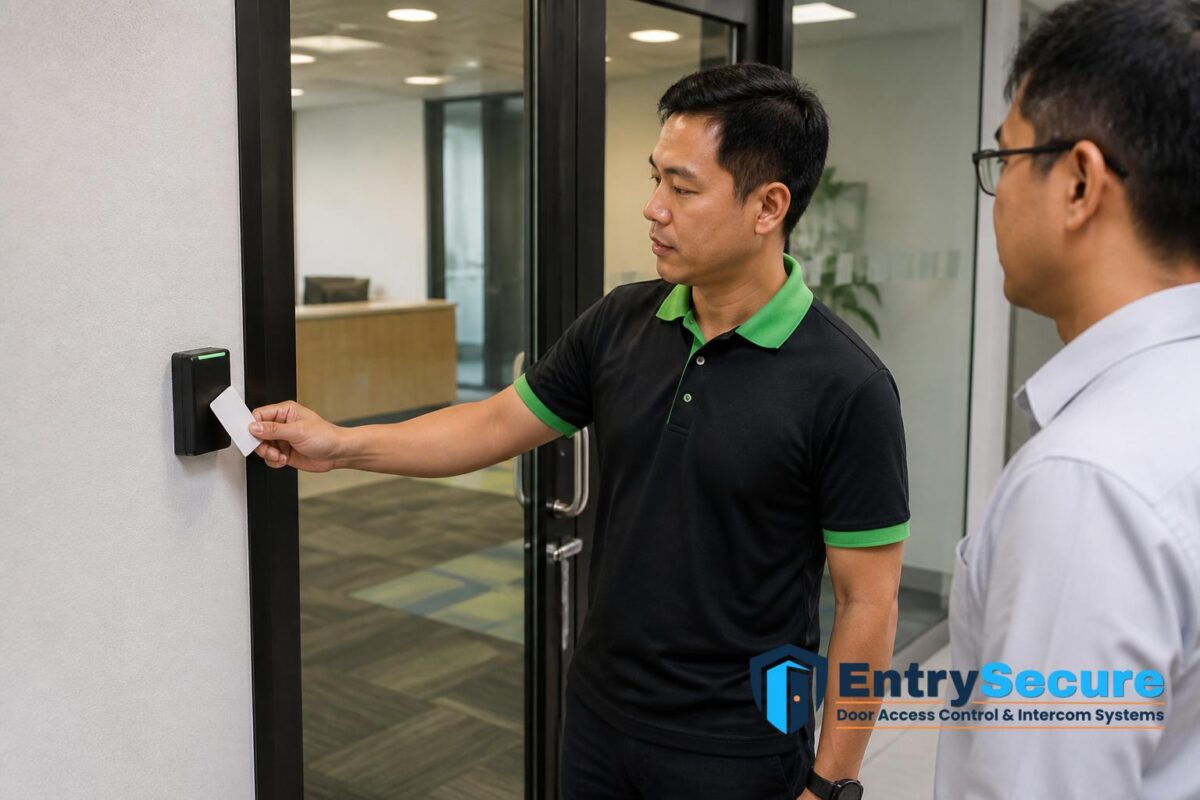
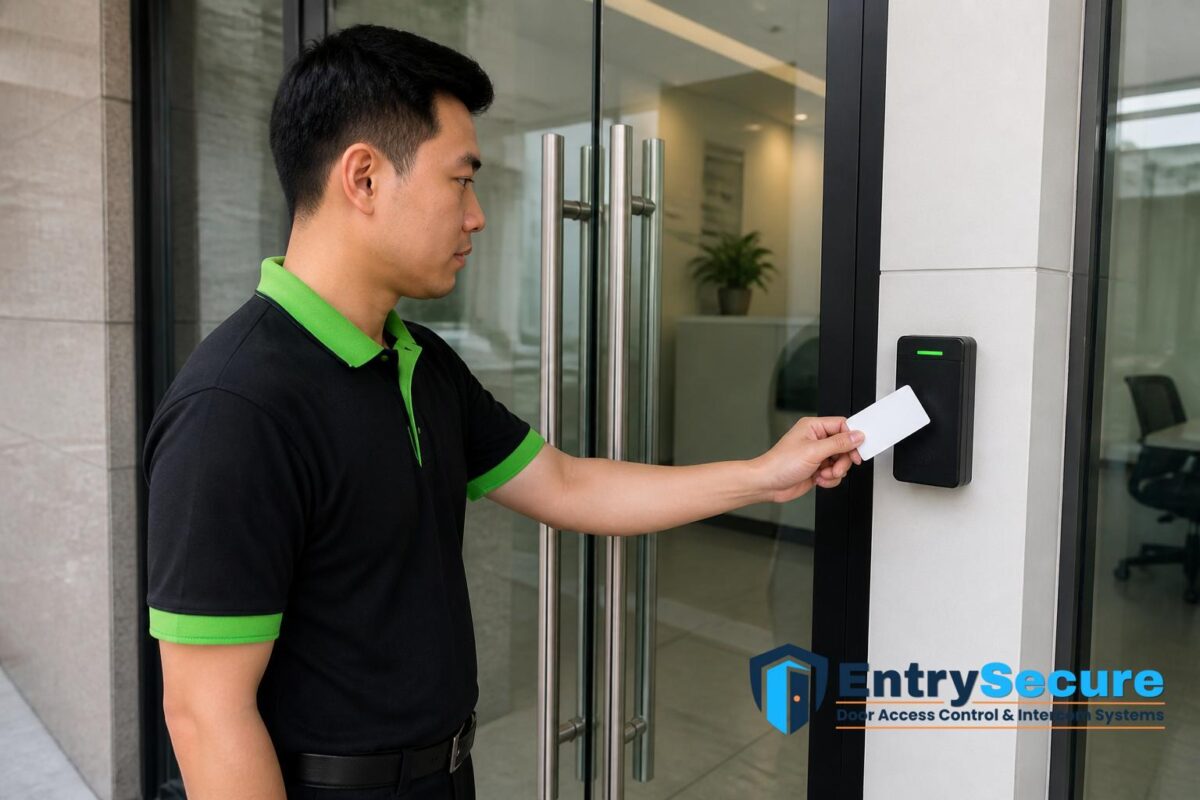
At the entry point, a staff member or approved user presents a credential to the reader, such as a card or fob if that is the system in use. The reader sends the credential information to the access control panel, which compares it with the permissions stored in the system. If the credential is approved, the system authorises the door to unlock for a short period.
This unlock action is not the reader physically opening the door. Instead, the system activates the door release mechanism connected to the lock. Once the release signal is sent, the user can open the door normally. After the set time, the door returns to its secured state.
The main parts involved in door unlocking
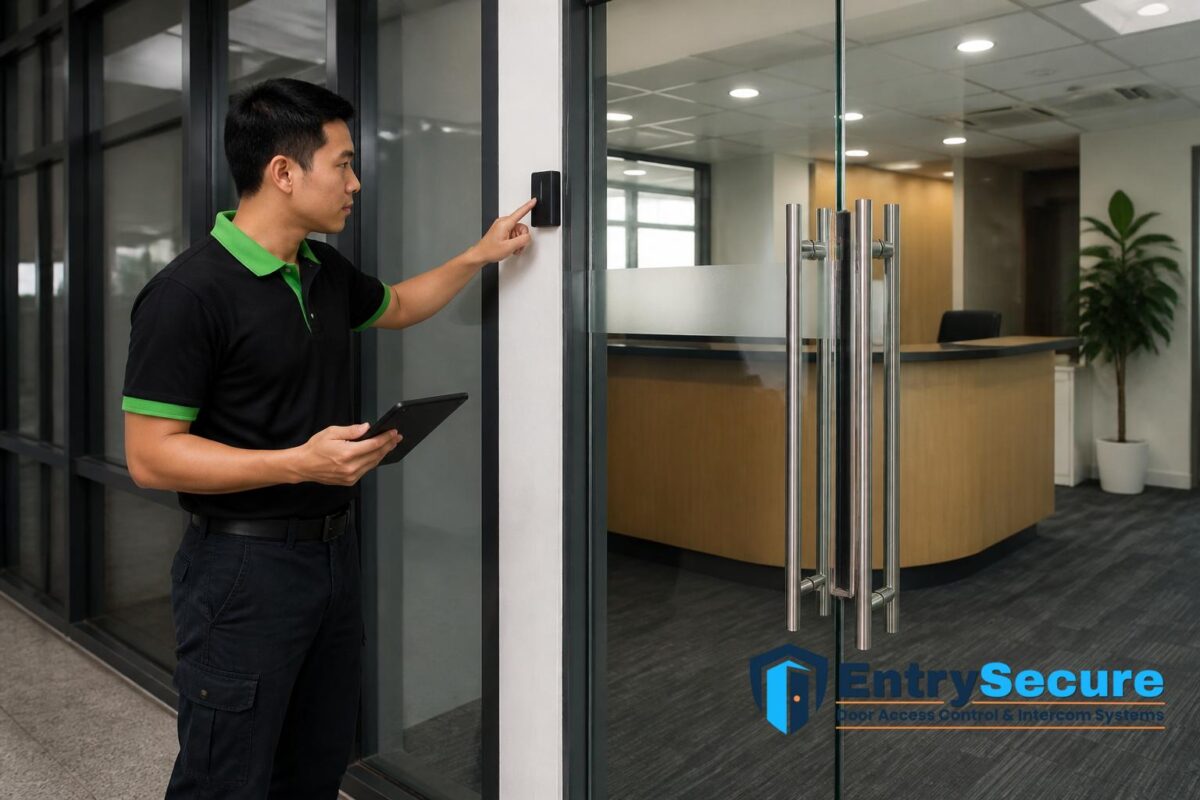
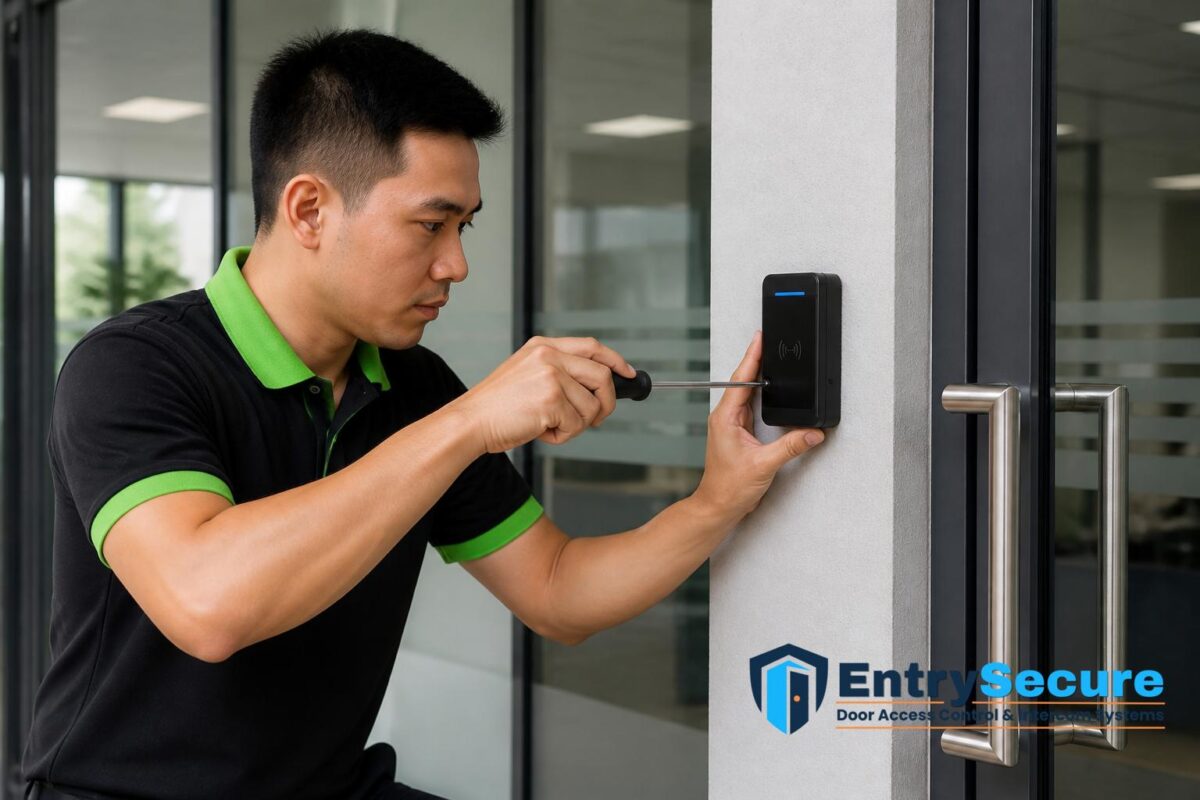
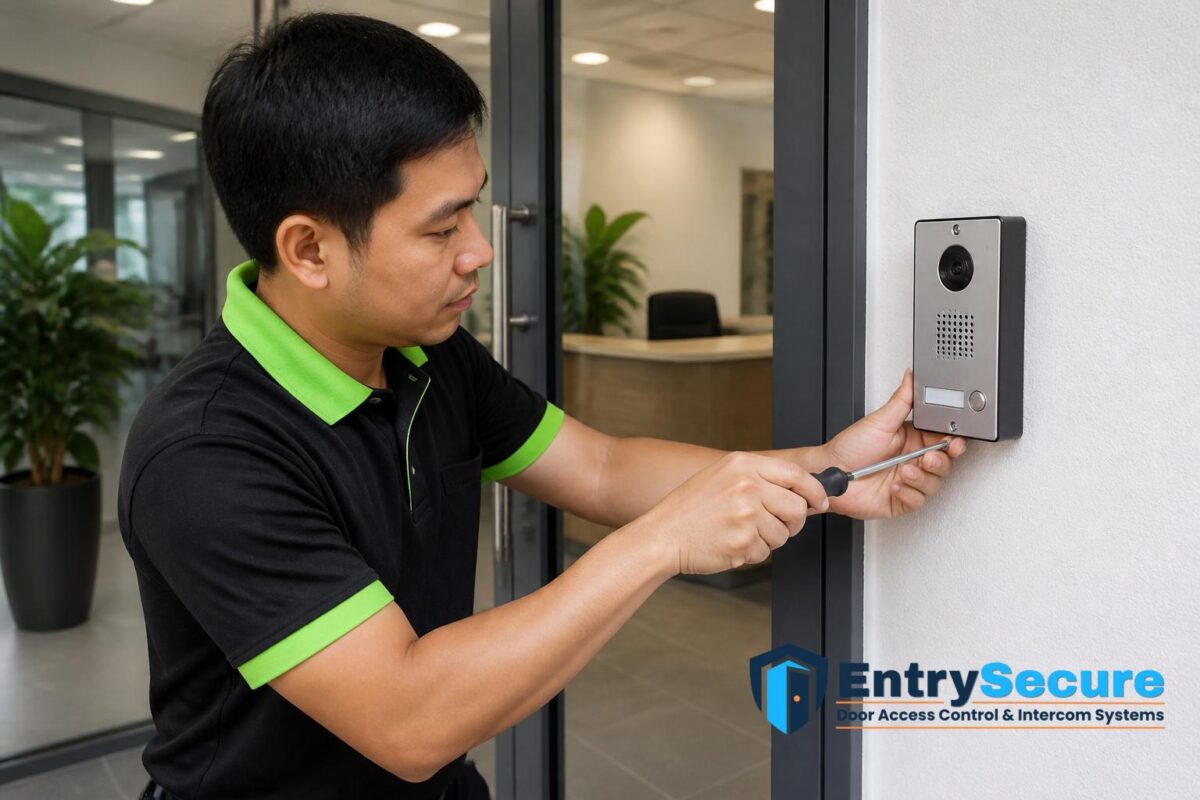
A typical office door access system includes the credential reader, the control panel, the lock release hardware, and the wiring that connects them. Each part has a specific role. The reader identifies the user, the panel makes the decision, and the lock mechanism performs the physical release.
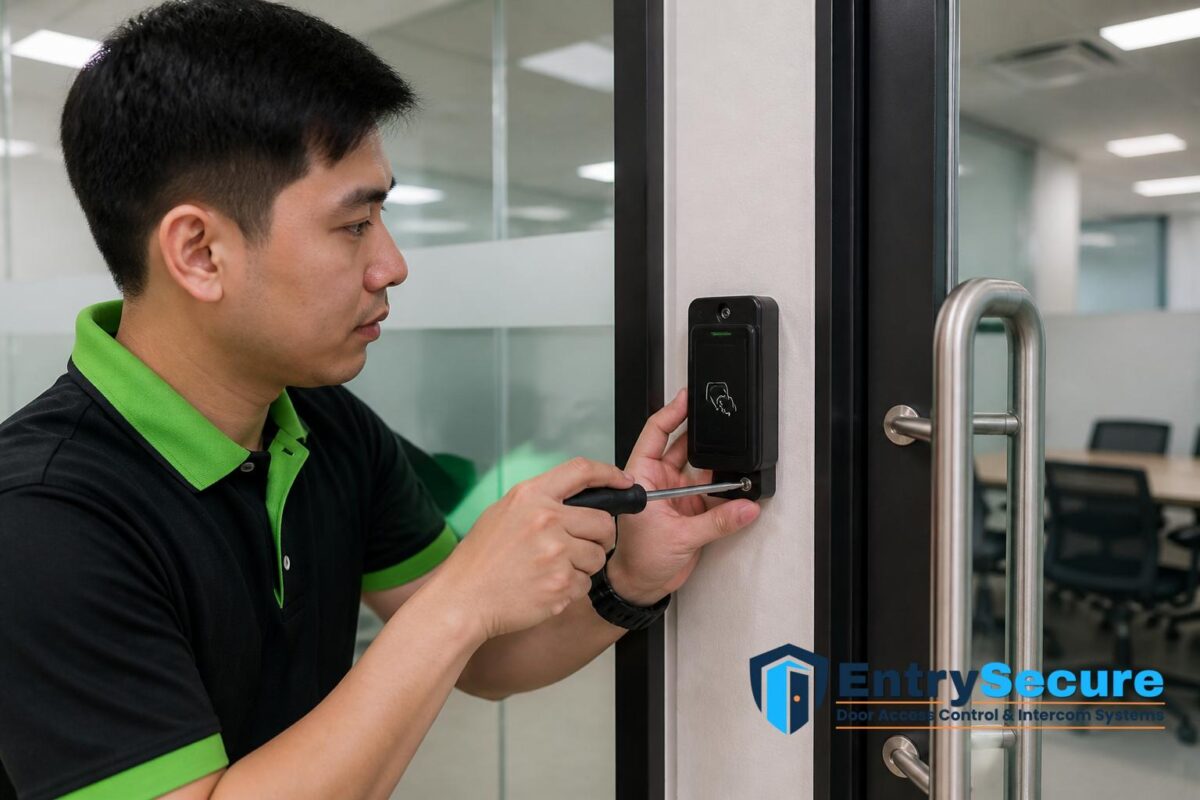
For offices in Singapore, the placement of these components matters. Readers are usually installed near the entrance at a practical height, while the control equipment is placed in a secure indoor location. Cabling must be planned so that power and communication lines are neat, protected and suitable for the building’s layout.
How permissions affect which doors unlock
Office access is rarely the same for every person. Some users may be allowed through the main entrance only, while others may have access to meeting rooms, server rooms or storage areas. The system unlocks a door only when the presented credential matches the permission rules assigned for that specific entry point.
This is one of the main reasons office door access systems are used. They help keep different parts of the workplace separated without making daily movement difficult for authorised people. For managers, it also gives a clearer structure for who should be able to enter which door.
Why cabling and installation planning matter
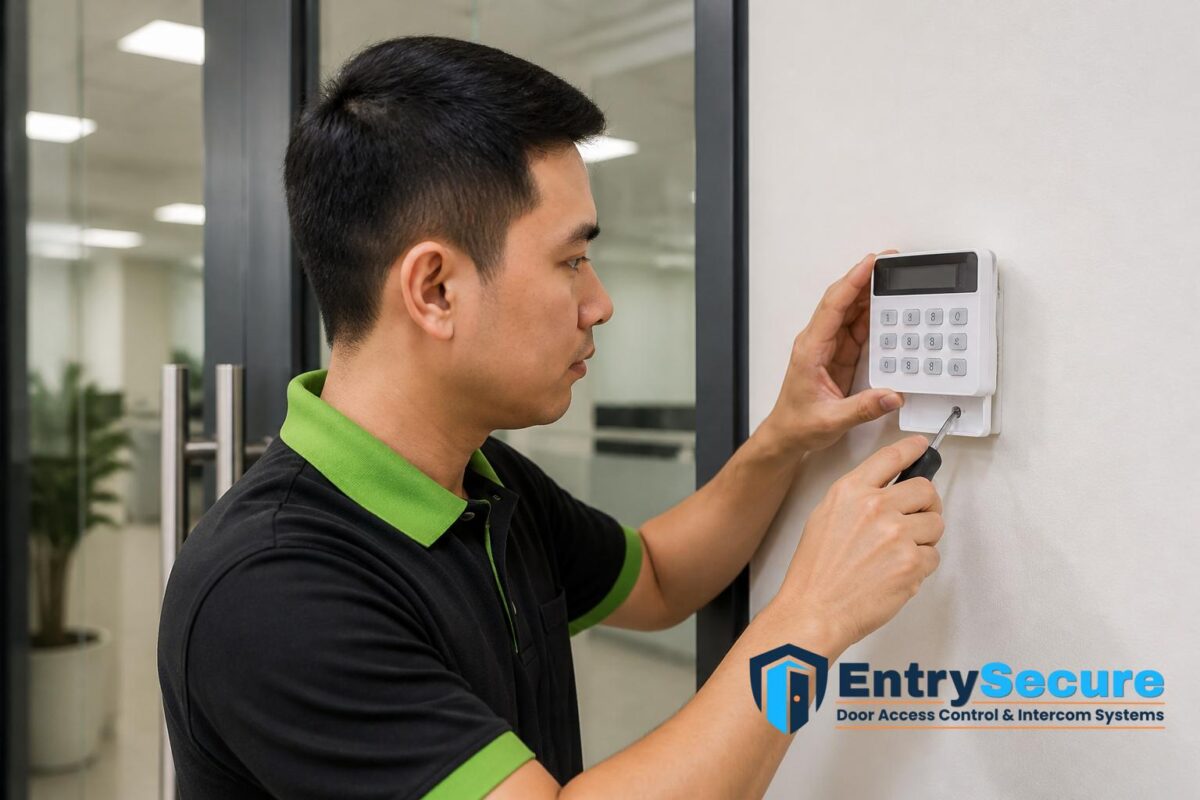
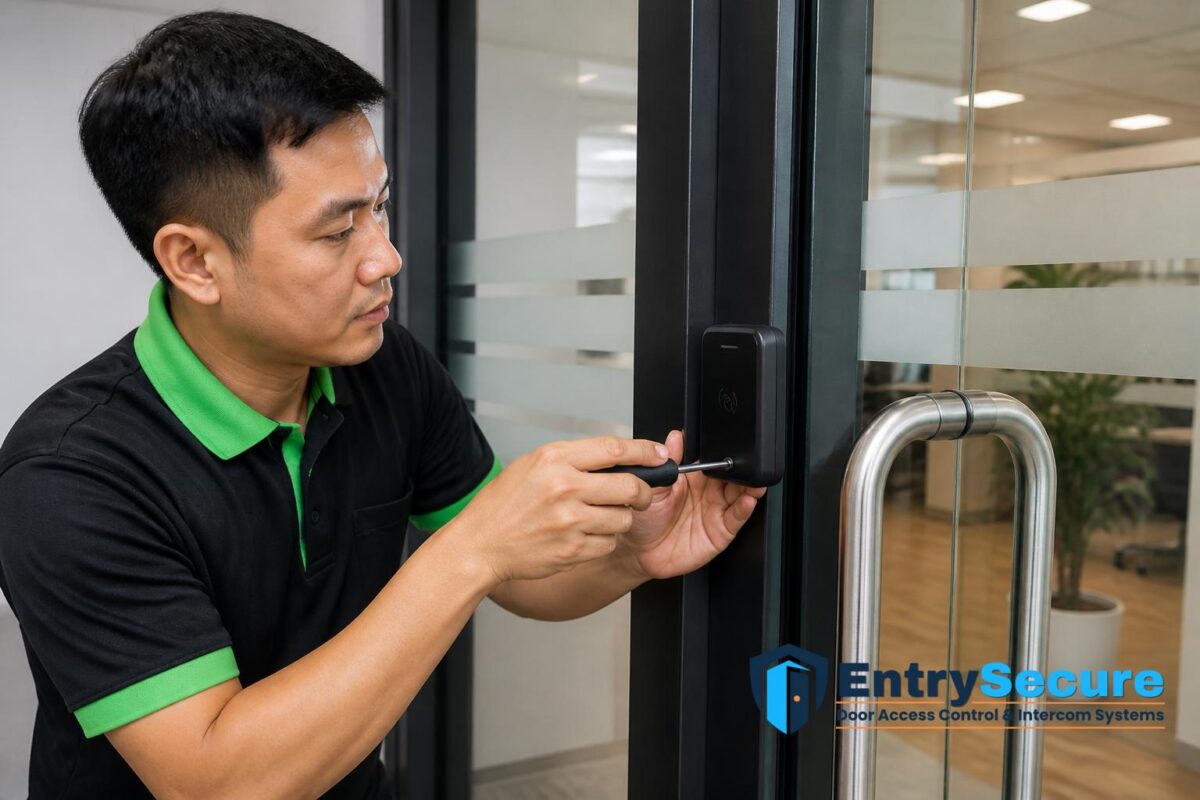
Unlocking a door reliably depends on how well the system is planned and installed. In an office setting, the installer must consider the door type, frame condition, power source, route for cabling and the location of the control equipment. If the installation is rushed or poorly arranged, the system may not operate as expected.
Professional installation also helps reduce issues such as exposed wiring, awkward reader placement or unreliable door release operation. In Singapore offices, where daily use can be frequent, a tidy and properly planned setup supports smoother operation and easier maintenance later on.
What users experience at the door
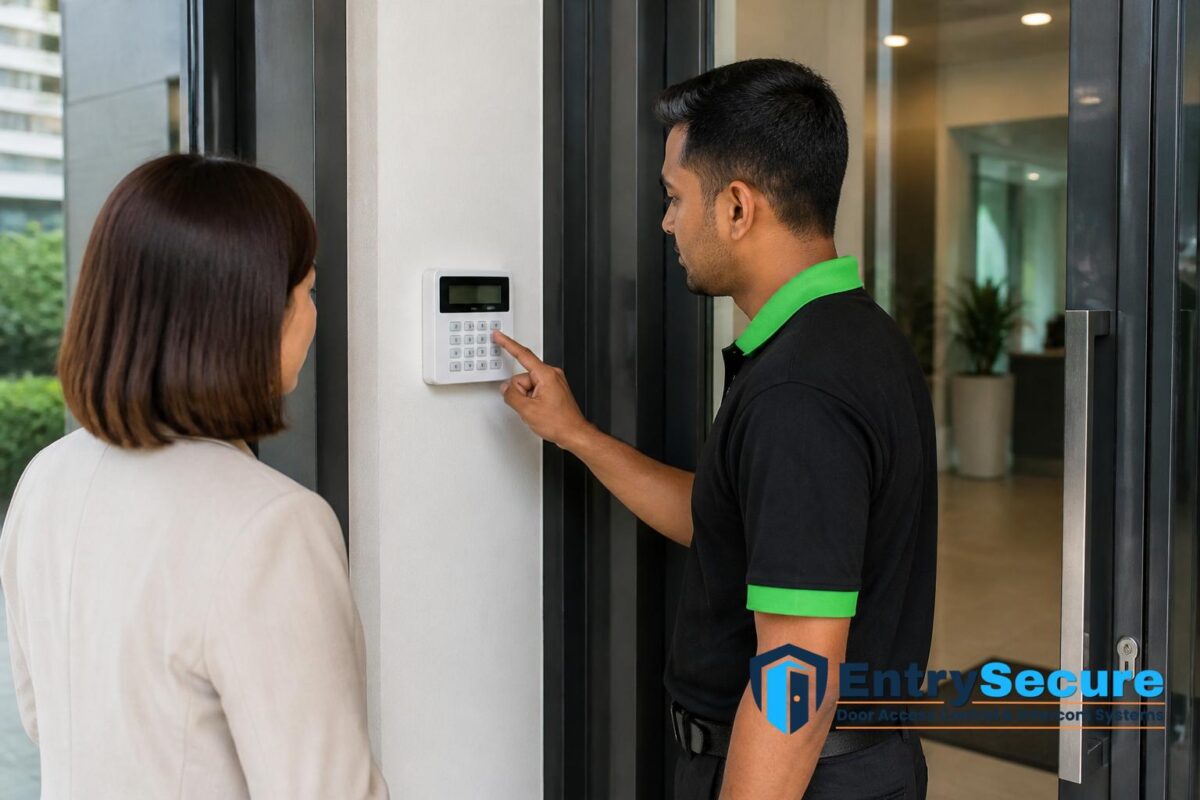
For the person entering, the process should feel simple. The credential is presented, the reader confirms it, and the door unlocks if access is granted. In many offices, there is usually a short audible or visual indication that the access attempt has been accepted, although the exact feedback depends on the system design.
If access is not approved, the door remains locked. That may happen because the credential is not assigned to that door, the user is not scheduled for that time, or the system settings do not permit entry. In a well-set-up office system, this decision happens quickly and consistently, without creating delay for approved users.
Testing the unlock function after installation
After installation, the system should be tested at each relevant office door to confirm that the unlocking sequence works properly. This includes checking whether the credential is read correctly, whether the control panel sends the release signal, and whether the door opens and closes as intended.
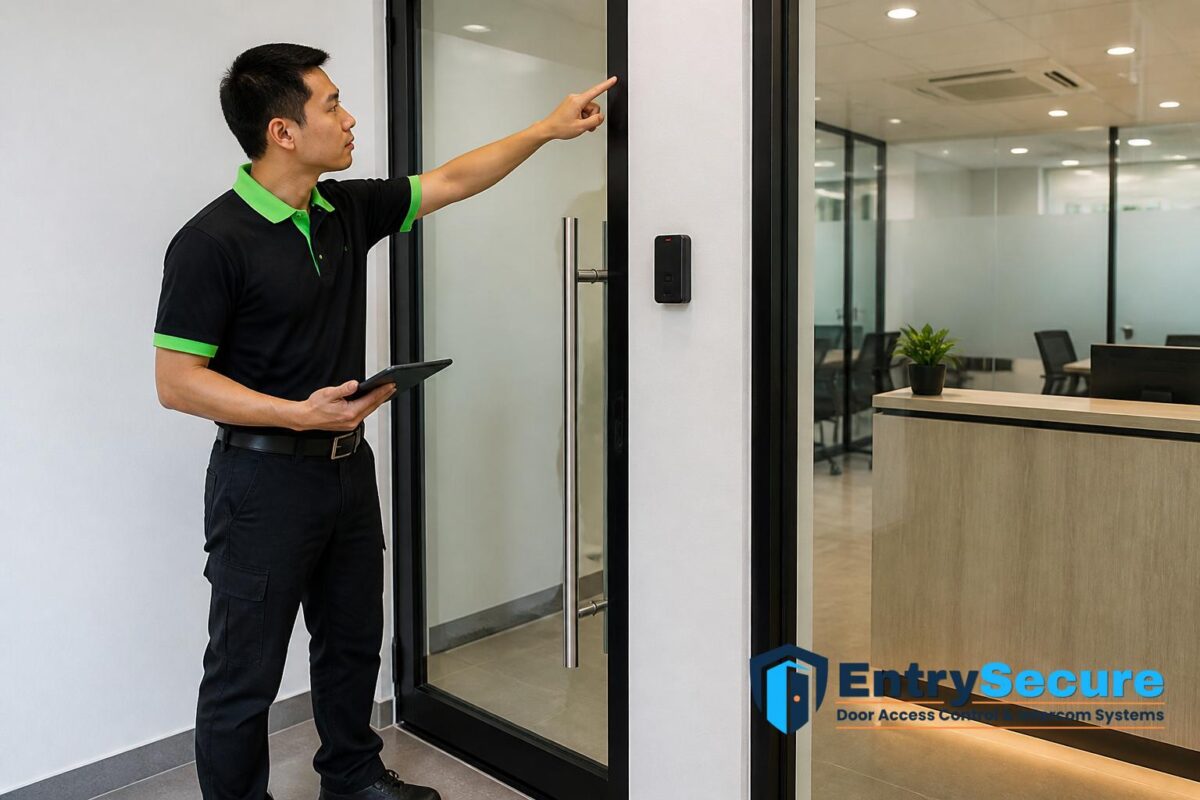
Testing should also cover practical use cases in the office environment. For example, it is sensible to confirm that the reader position is easy to reach, the unlocking action is long enough for normal entry, and the door returns securely after use. Good testing helps identify setup issues before the system is handed over for day-to-day operation.
Choosing the right arrangement for a Singapore office
The right door access arrangement depends on how the office is used. A small office may only need control at the main entrance, while a larger premises may require several access points with different permission levels. The door type, level of traffic and internal layout all influence how the system should unlock the doors.
Office managers should also think about future changes. If the company may expand, move departments or alter entry routes, it is worth planning a system that can be organised sensibly from the start. A proper assessment helps avoid a setup that is too limited or unnecessarily complicated.
If you need help with how a door access system should unlock doors in your Singapore office, WhatsApp EntrySecure Door Access Control & Intercom Systems Singapore with your office type, entry point photos, current equipment and required access scope so the team can recommend a suitable arrangement and quotation.
Conclusion
A door access system unlocks office doors in Singapore by checking an approved credential, confirming permission in the control panel, and releasing the door mechanism for entry. When the system is properly planned, installed and tested, it provides a straightforward way to manage office access while keeping the process practical for daily use.
Choose EntrySecure Door Access Control & Intercom Systems Singapore
EntrySecure Door Access Control & Intercom Systems Singapore offers practical security solutions for residential and commercial premises in Singapore. We provide access control, door access systems, intercom systems, security systems, alarm systems and security alarm systems for customers looking to improve access management and property protection.
Our team can recommend solutions based on your premises, entry points and security requirements, whether you need controlled access for an office, an intercom for visitor communication or an alarm system for added protection. CCTV services are also available for customers who want to include surveillance as part of their overall security setup.
From standalone installations to combined access and security solutions, we aim to provide straightforward recommendations and dependable installation. WhatsApp us at +65 8241 0032 for your door access, intercom, alarm and security system needs.
Frequently Asked Questions
How does a door access system decide whether to unlock an office door?
The system checks the presented credential against the permissions stored in the access control panel. If the credential is valid for that specific door and time, the panel sends a release signal and the door unlocks briefly for entry.
Why does the door sometimes stay locked even when someone presents a card?
This usually means the credential is not authorised for that door, the access schedule does not permit entry, or the system settings need review. In an office setting, each entry point may have different access rules.
What should be checked during office door access installation?
The door type, reader position, cabling route, power supply and lock release arrangement should all be assessed. These details affect whether the door unlocks reliably and whether the system is practical for daily office use.