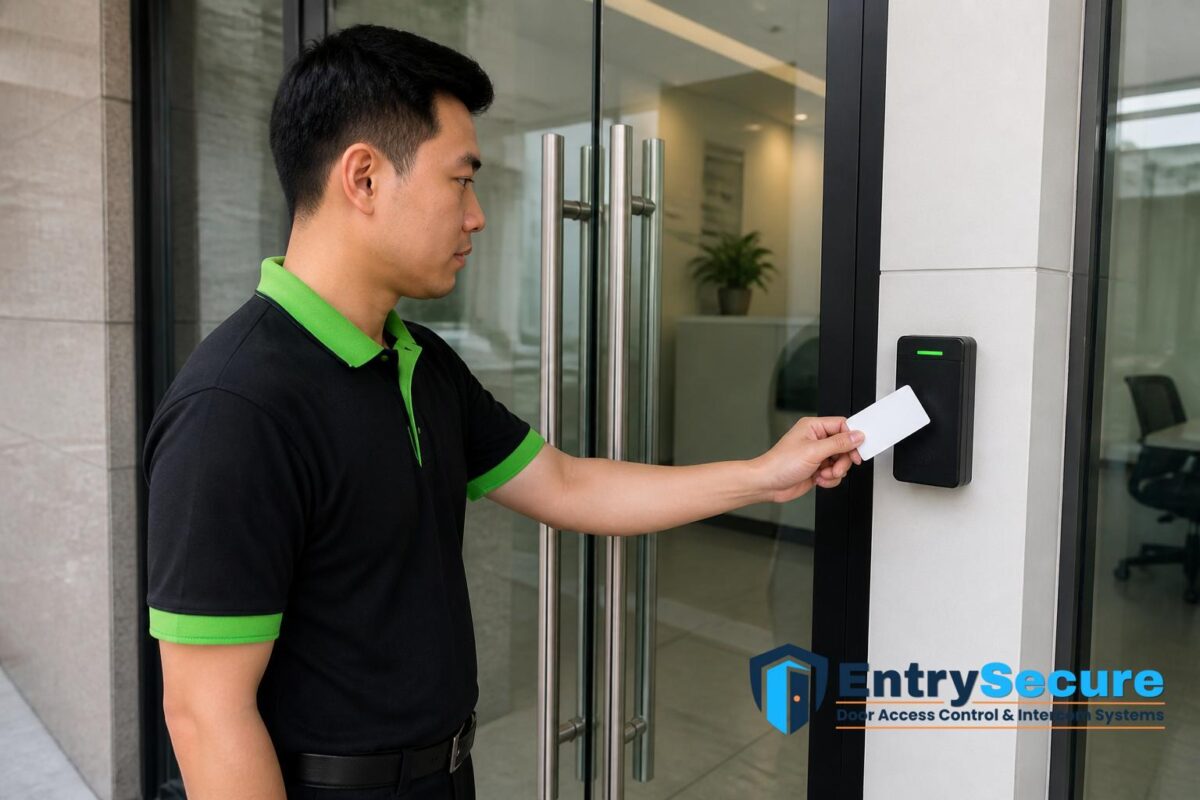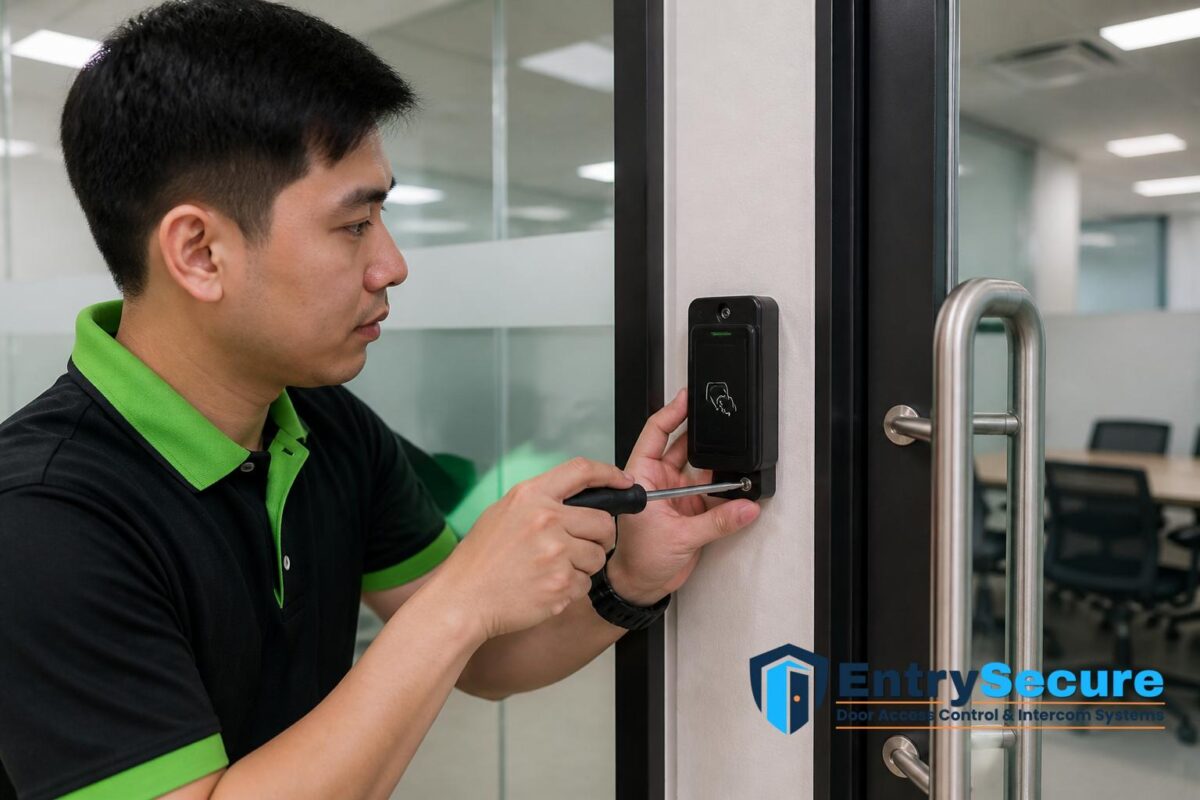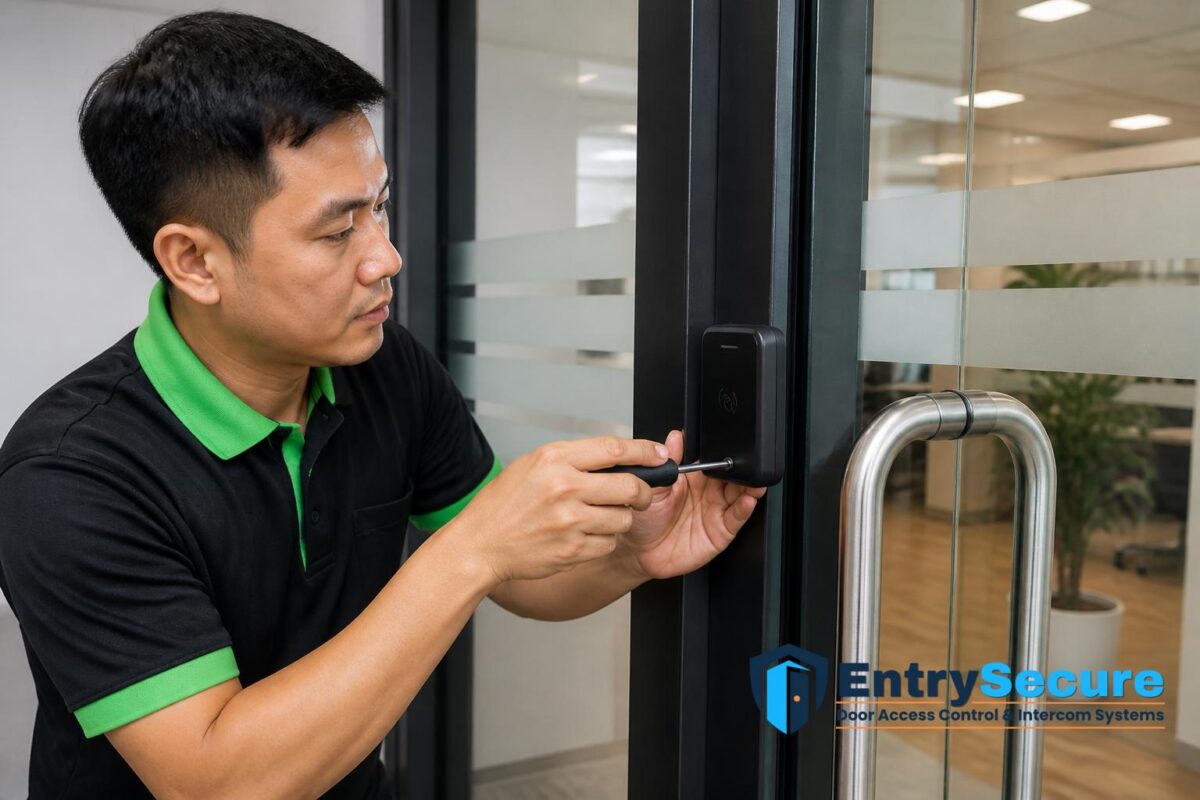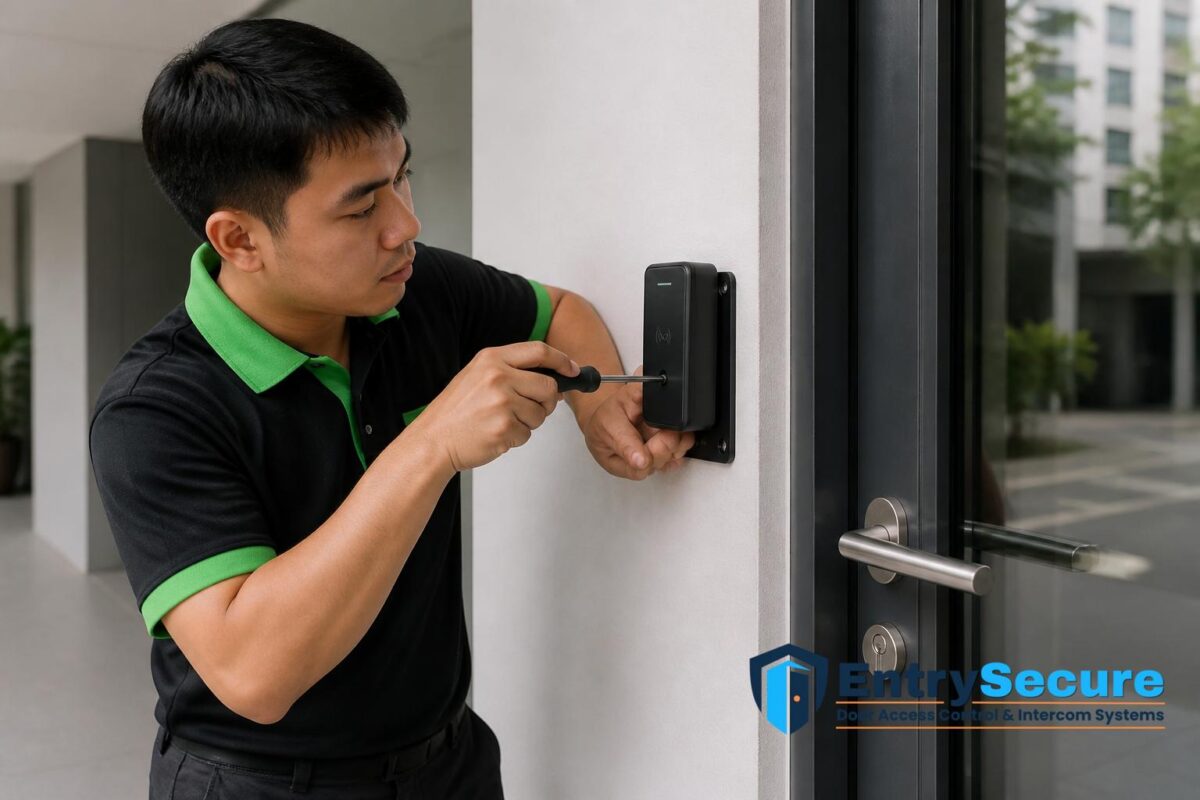

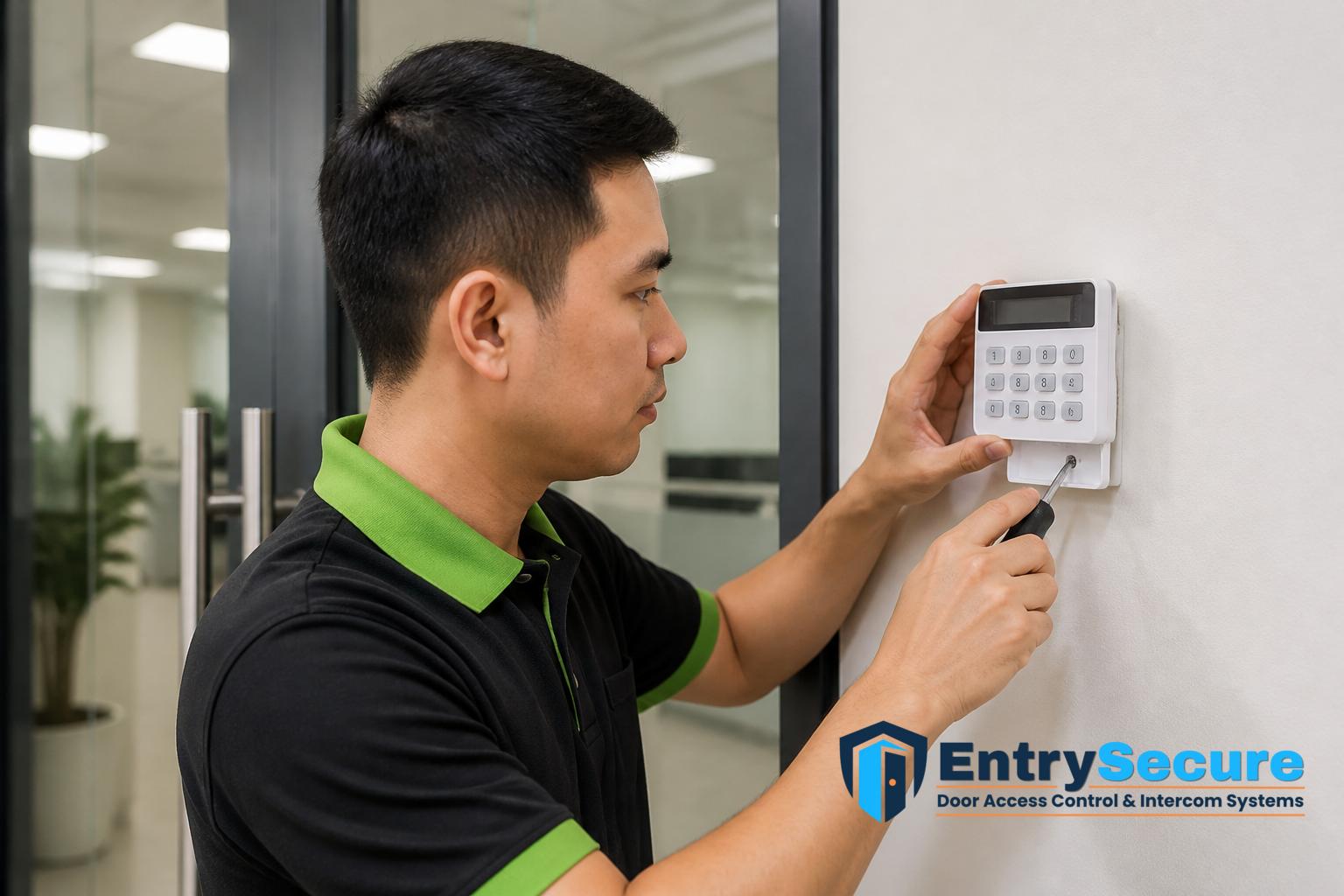
Installing an alarm system for a Singapore home or business is usually a planned process rather than a simple product fit. The installer needs to understand the property layout, entry points, daily use, and the level of monitoring or alerting required before deciding where sensors, control units and warning devices should be placed. A proper installation helps the system work as intended and keeps the setup tidy, practical and easy to use.
For homeowners, landlords, office managers and commercial property operators, the main aim is to protect key access points and receive timely alerts when a triggered event occurs. In Singapore, properties often have different layouts, from HDB flats and condominiums to shop units, offices and landed homes, so the installation approach must match the building type and the way the space is used. That is why professional planning matters before any wiring or mounting begins.
Understanding the site before installation
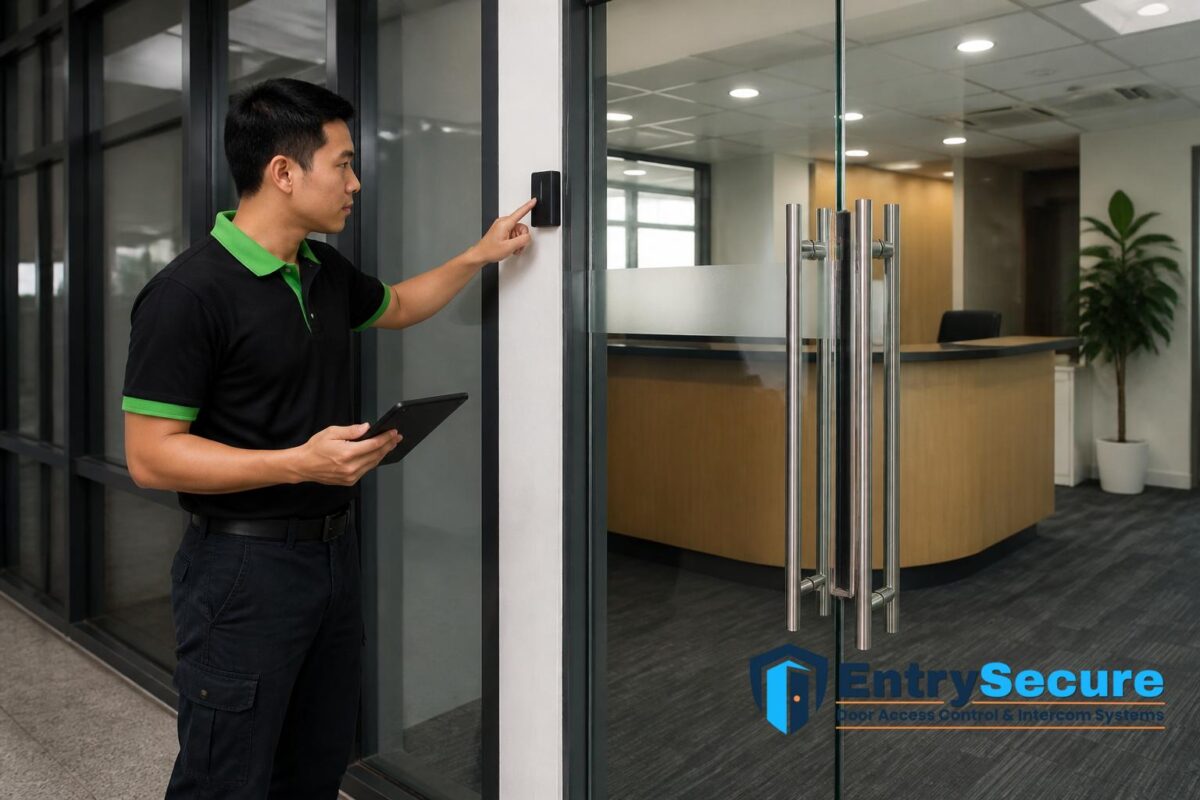
The first step is a site assessment. An installer will usually look at the main entrance, secondary doors, windows, internal zones, and any areas that need special attention, such as service doors, storerooms or accessible ground-floor openings. The purpose is to identify where an alarm can detect unauthorised entry or unusual activity without causing unnecessary alerts in daily use.
For homes, this often means checking the front door, balcony access, sliding doors and any areas that are easy to reach from outside. For businesses, the focus may include shutters, rear exits, loading bays, pantry access or internal rooms that should be protected after hours. The assessment also helps determine whether the system should be wired, wireless, or a mix of both, depending on the building conditions.
Choosing the right alarm components
An alarm system typically includes a control panel, sensors, warning devices and the necessary power and communication accessories. The exact configuration depends on the property and the level of coverage required. Common considerations include door or window sensors, motion detection in selected areas, and sirens or sounders that can be heard clearly within the premises.
In some Singapore properties, cabling routes are easy to access and a wired installation may be practical. In others, particularly where walls are finished or access is limited, installers may prefer a less disruptive arrangement. The important point is that the components should suit the layout rather than being placed randomly. Good selection reduces false alerts and makes the system easier to maintain.
Planning device placement for effective coverage
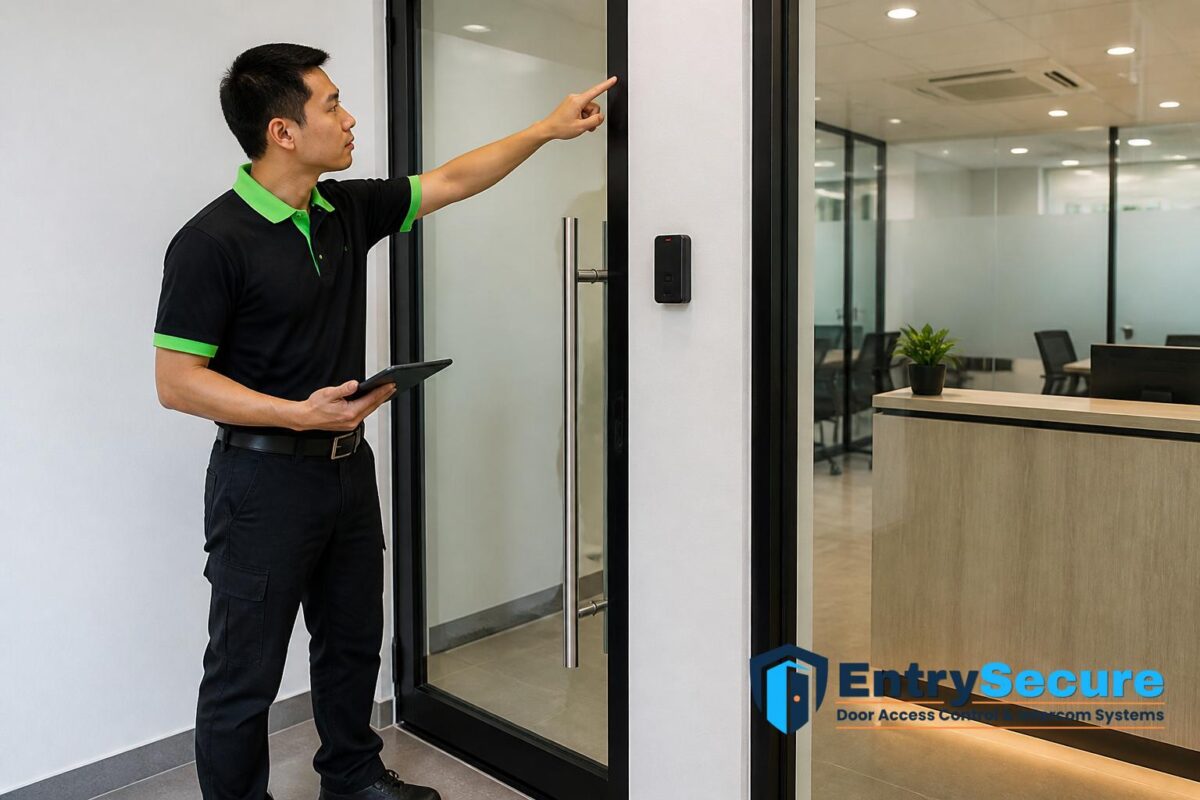
Device placement is one of the most important parts of alarm installation. Sensors should be positioned where they can detect the relevant entry or movement patterns without being obstructed by furniture, fixtures or structural features. A poorly positioned sensor may miss activity or trigger when it should not, so the installer needs to take the real use of the property into account.
At a home, this may involve placing detection points near the main entrance and other accessible openings, while keeping the control unit in a location that is convenient for daily use but not easily tampered with. At a business, the layout may require separate coverage for office areas, back-of-house spaces and after-hours access points. The goal is sensible coverage, not simply more devices.
Wiring, mounting and power considerations
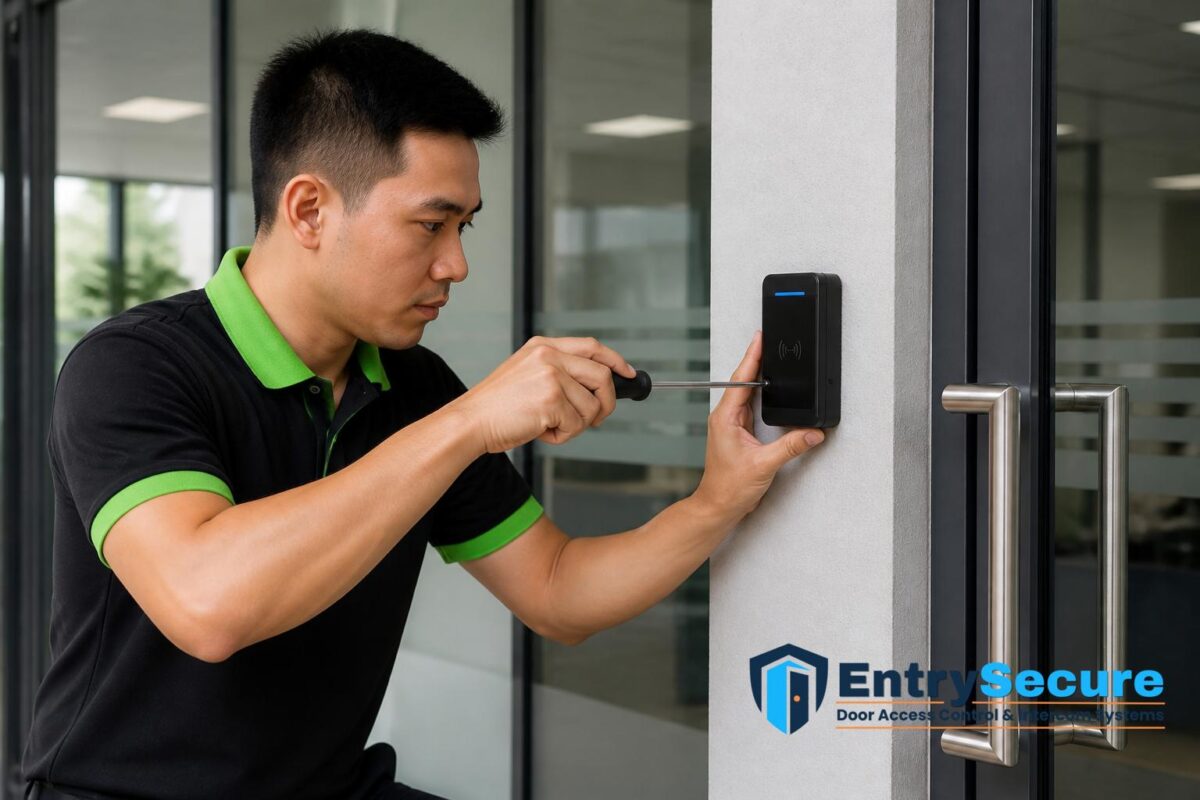
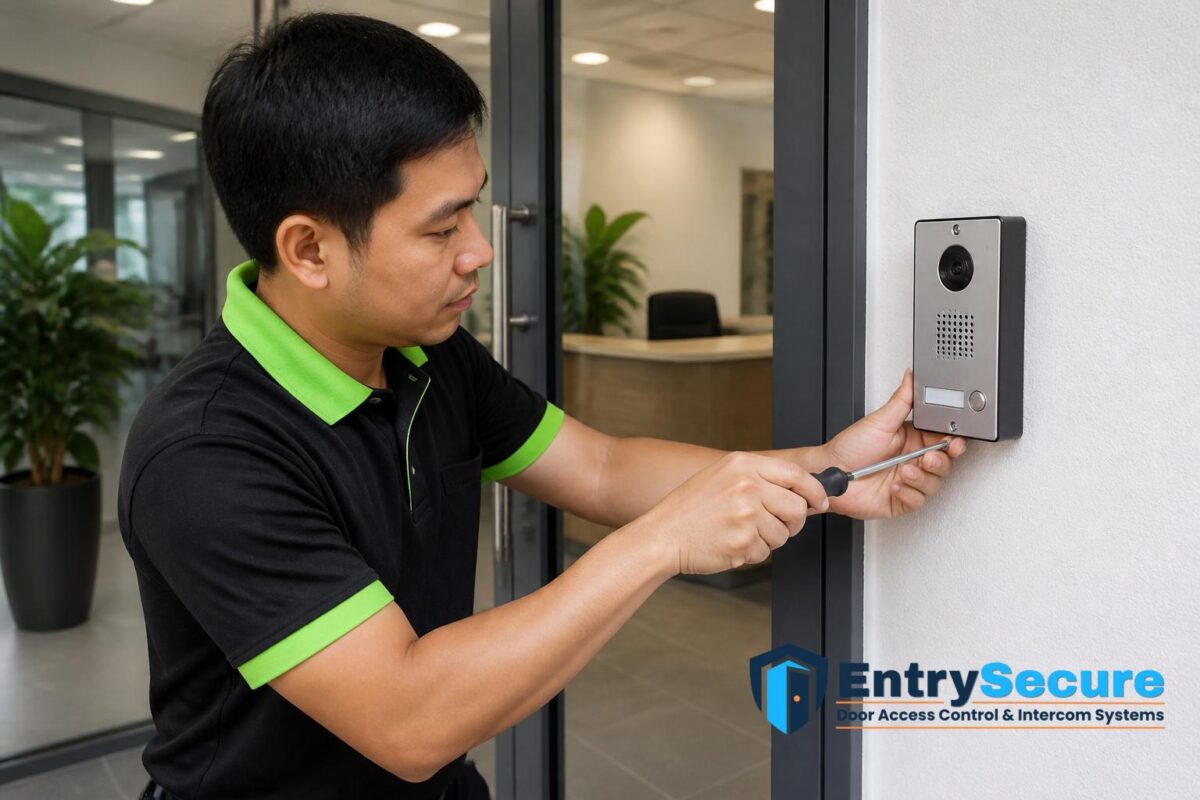
Once the plan is agreed, the installer can begin mounting the devices and arranging the wiring or wireless setup. For wired systems, neat cable routing matters because it affects both appearance and reliability. Cables should be secured properly and run in a way that suits the property’s finishes and existing services. In commercial premises, this may also need to be coordinated with other building works or existing systems.
Power supply is another key point. The control equipment should be installed where it can operate consistently, with any backup support arranged according to the chosen system design. In Singapore, where properties can have different electrical layouts and renovation constraints, professional installation helps reduce avoidable disruption and keeps the setup more orderly.
Setting up the alarm system after installation
After the hardware is in place, the installer will configure the system so it behaves correctly for the property. This may include setting how the alarm responds to door opening, movement detection or other trigger conditions, and ensuring that the alarm can be armed and disarmed in a way that suits the occupants or staff. The setup should match actual routines, such as office opening hours or household entry patterns.
For businesses, it is often important to separate zones or areas so different parts of the premises can be protected independently. For homes, the setup may need to balance security with convenience, especially where family members move in and out at different times. A well-planned configuration makes the system easier to use and less likely to be ignored.
Testing, handover and user familiarisation
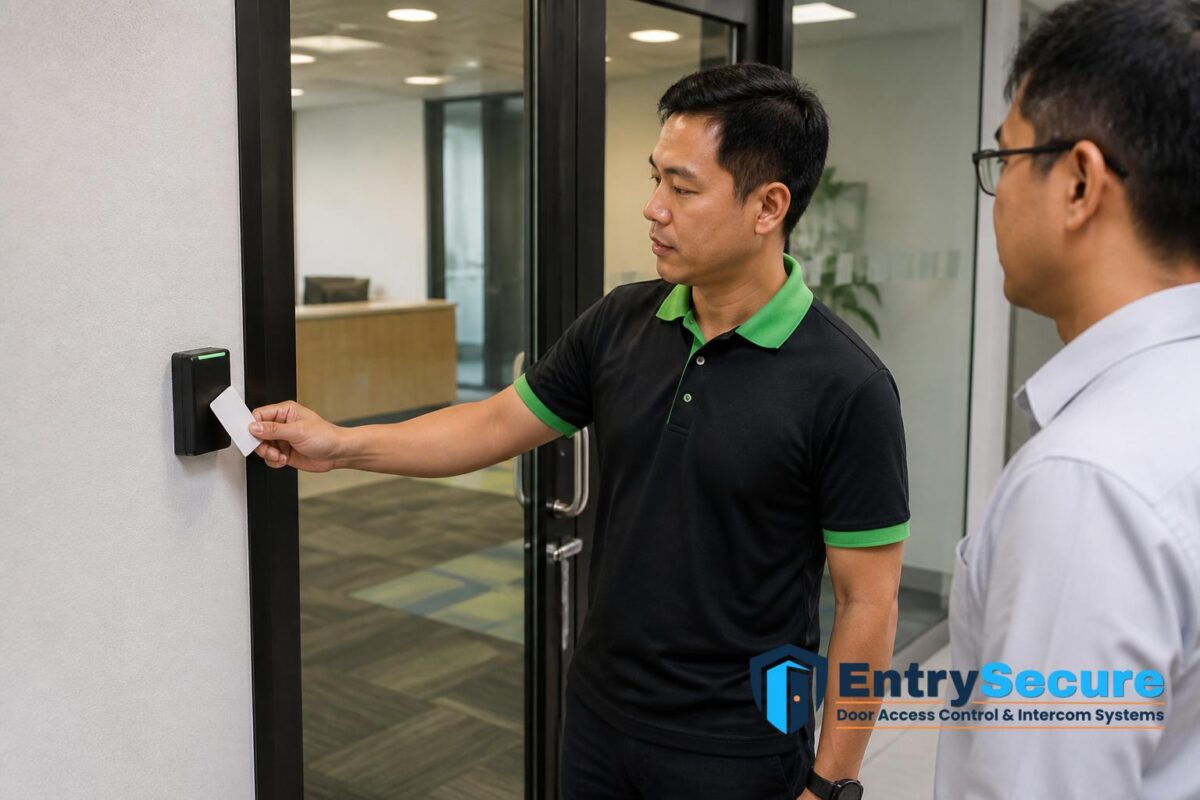
Testing is a necessary part of alarm installation. The installer should check each sensor, confirm the warning device operates properly, and make sure the control functions respond as intended. If there are any issues with placement or sensitivity, they can be adjusted before handover. This step is particularly important because a system that has not been tested thoroughly may not perform as expected when it matters.
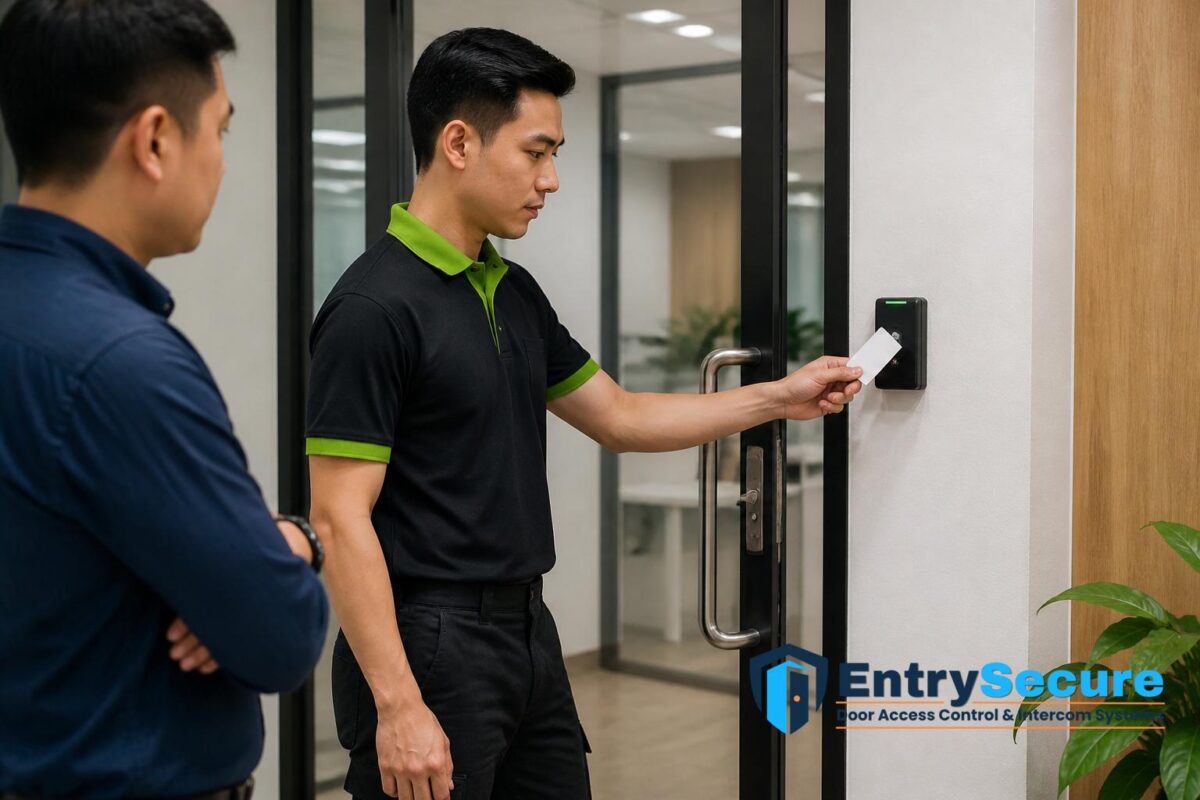
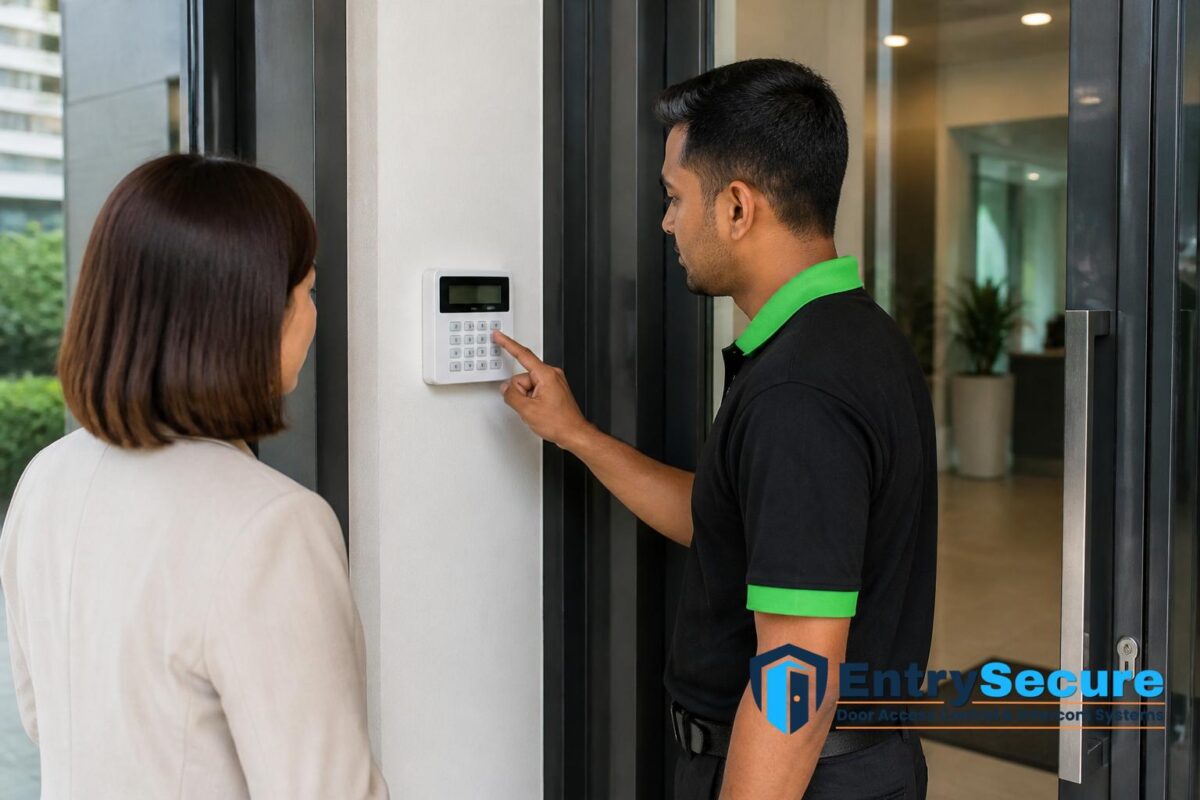
Handover should include clear guidance on basic operation, such as how to arm and disarm the system, what to do when a sensor is triggered, and how to recognise any status indicators. For commercial users, staff should understand the operating routine so the system supports daily work rather than interrupting it. For homeowners, simple instructions help reduce confusion and improve confidence in using the alarm properly.
Installation differences for homes and businesses in Singapore
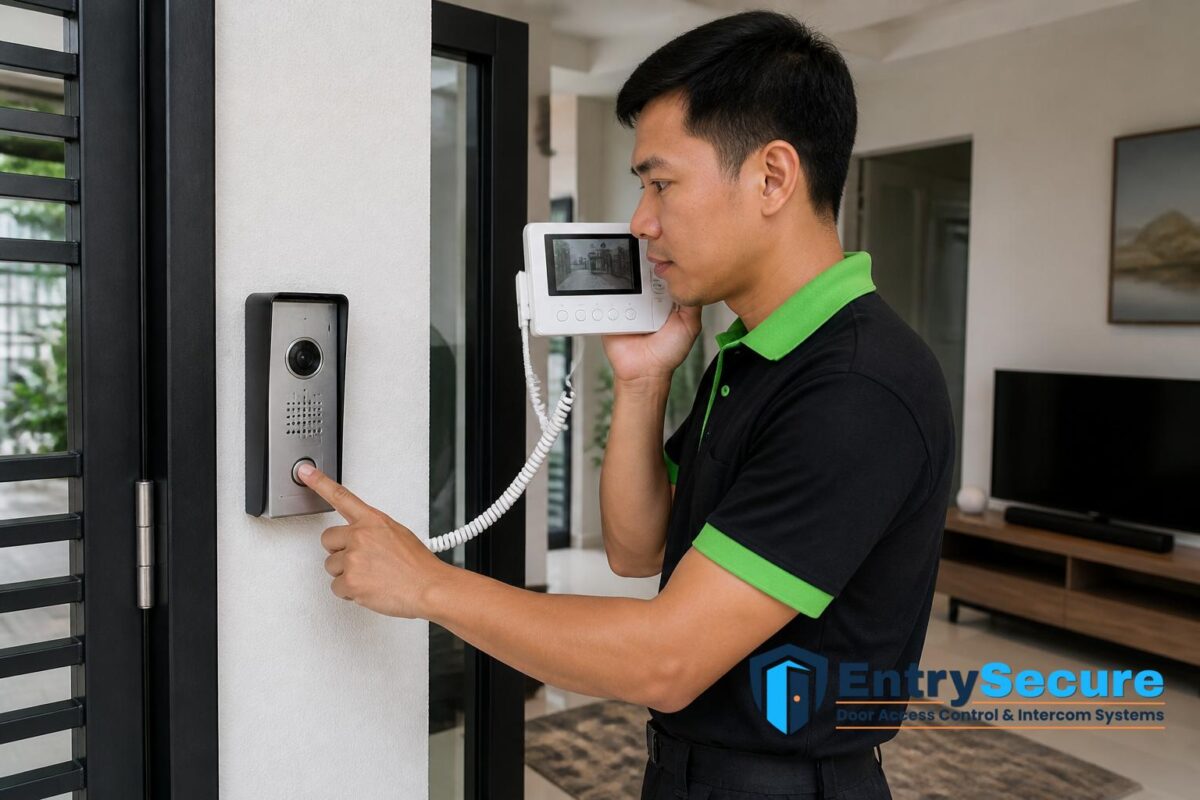
Singapore homes and businesses often require different installation approaches. In residential properties, installers usually work around existing furnishings, renovation finishes and family routines. In HDB flats or condominiums, the system must also fit the space available and be arranged neatly, especially where walls, ceilings or common areas have restrictions. The aim is to protect entry points without making the home feel overcomplicated.
For businesses, installation may need to account for multiple users, longer operating hours, and different areas of responsibility. Offices and commercial premises can require more structured zoning, clearer warning points and more careful cable planning. The installation should support the way the premises are managed, whether that is a small office suite or a larger commercial unit with several access points.
If you are planning an alarm system installation in Singapore, it helps to think in terms of layout, use and maintenance rather than just equipment. A properly installed system is one that fits the property and can be used reliably day to day.
WhatsApp EntrySecure Door Access Control & Intercom Systems Singapore with your alarm system requirements, property type, entry point photos, current equipment and the security scope you need, so the team can recommend a suitable arrangement and quotation.
Conclusion
An alarm system is installed by first assessing the property, then choosing suitable components, planning device placement, carrying out neat wiring or mounting, and finally testing the full setup before handover. Whether the property is a Singapore home or business, the quality of the installation affects how practical and reliable the system will be in daily use.
A careful, professional approach helps ensure the alarm system suits the property rather than forcing the property to suit the system.
Choose EntrySecure Door Access Control & Intercom Systems Singapore
EntrySecure Door Access Control & Intercom Systems Singapore provides access and security solutions for homes, offices and commercial properties across Singapore. Our services cover access control, door access systems, intercom systems, security systems, alarm systems and security alarm systems to support safer and more convenient entry management.
Based on your property layout and security needs, our team can recommend a suitable setup for controlling access, managing visitors and improving overall premises security. We also provide CCTV services for customers who require additional monitoring alongside their access or alarm system.
Whether you need a new door access system, intercom installation, alarm setup or a more complete security solution, our team can assist with a practical arrangement for your property. WhatsApp us at +65 8241 0032 to enquire about our access and security system solutions.
Frequently Asked Questions
What should be checked before installing an alarm system in a Singapore property?
The installer should review the entry points, layout, access routes and areas that need protection. It is also useful to consider whether the property is a home, office or commercial unit, as this affects device placement and system design.
Can an alarm system be installed in both homes and businesses?
Yes, but the installation approach should match the property type. Homes usually need straightforward coverage for key entry points, while businesses may require zoning, different operating schedules and more detailed planning.
Why is testing important after alarm installation?
Testing confirms that the sensors, warning devices and control functions operate properly after installation. It also allows any placement or setup issues to be adjusted before the system is handed over for regular use.