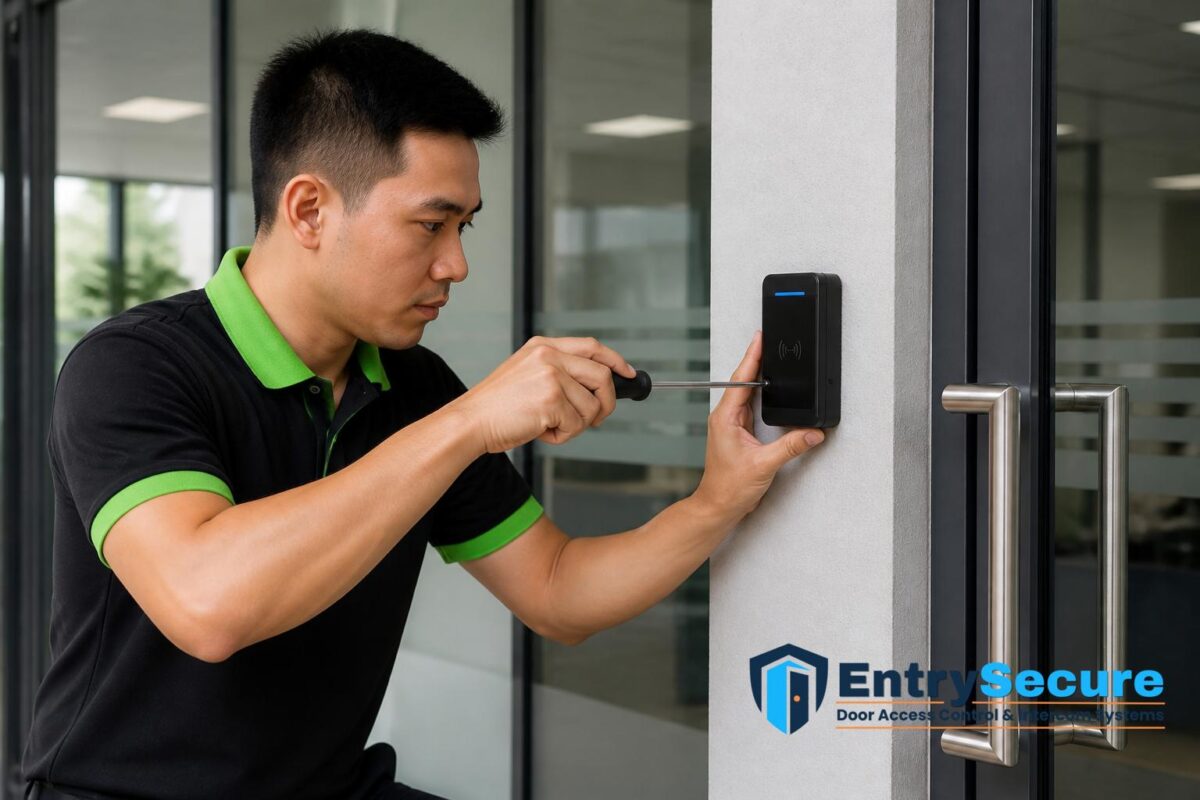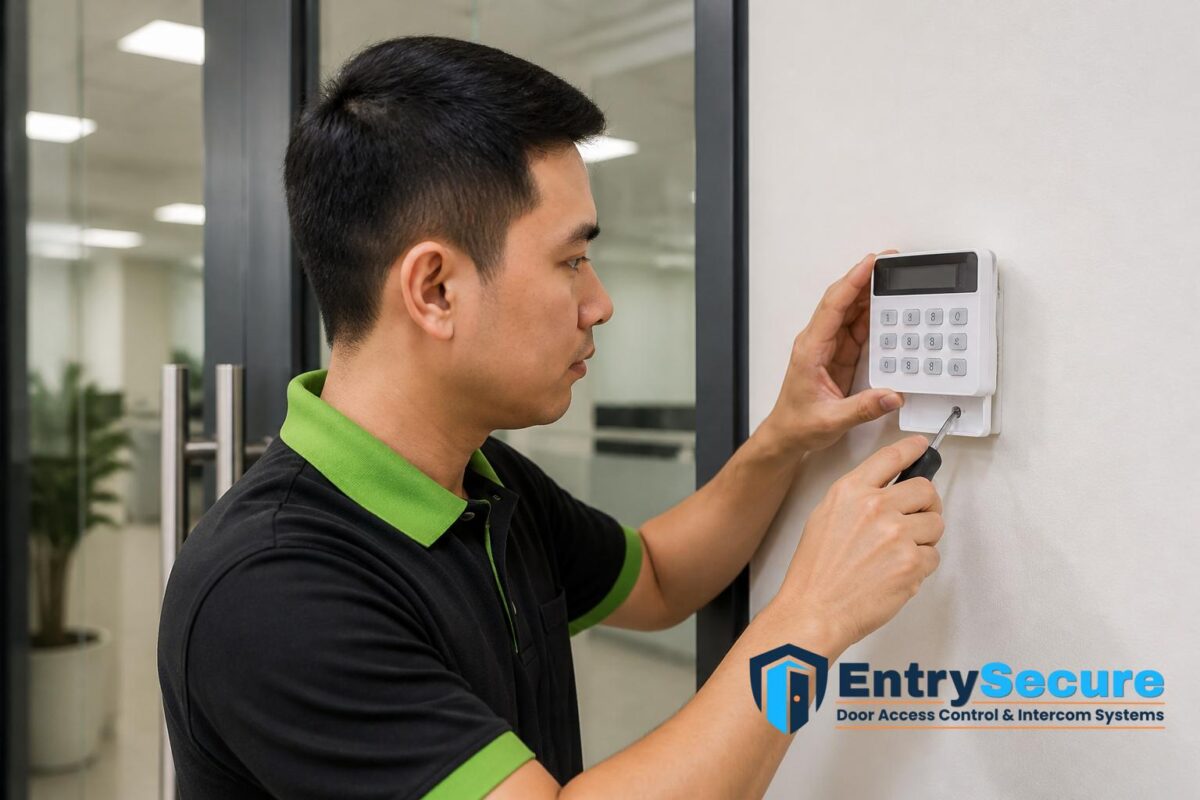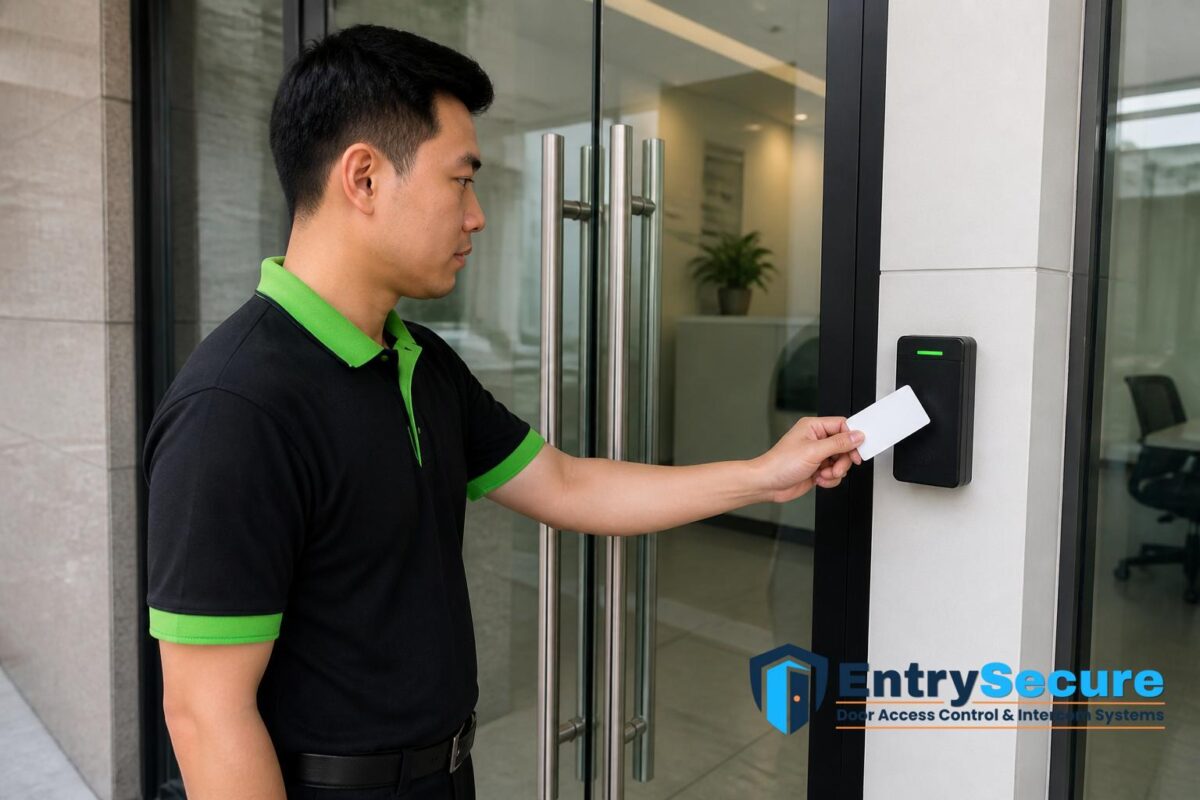

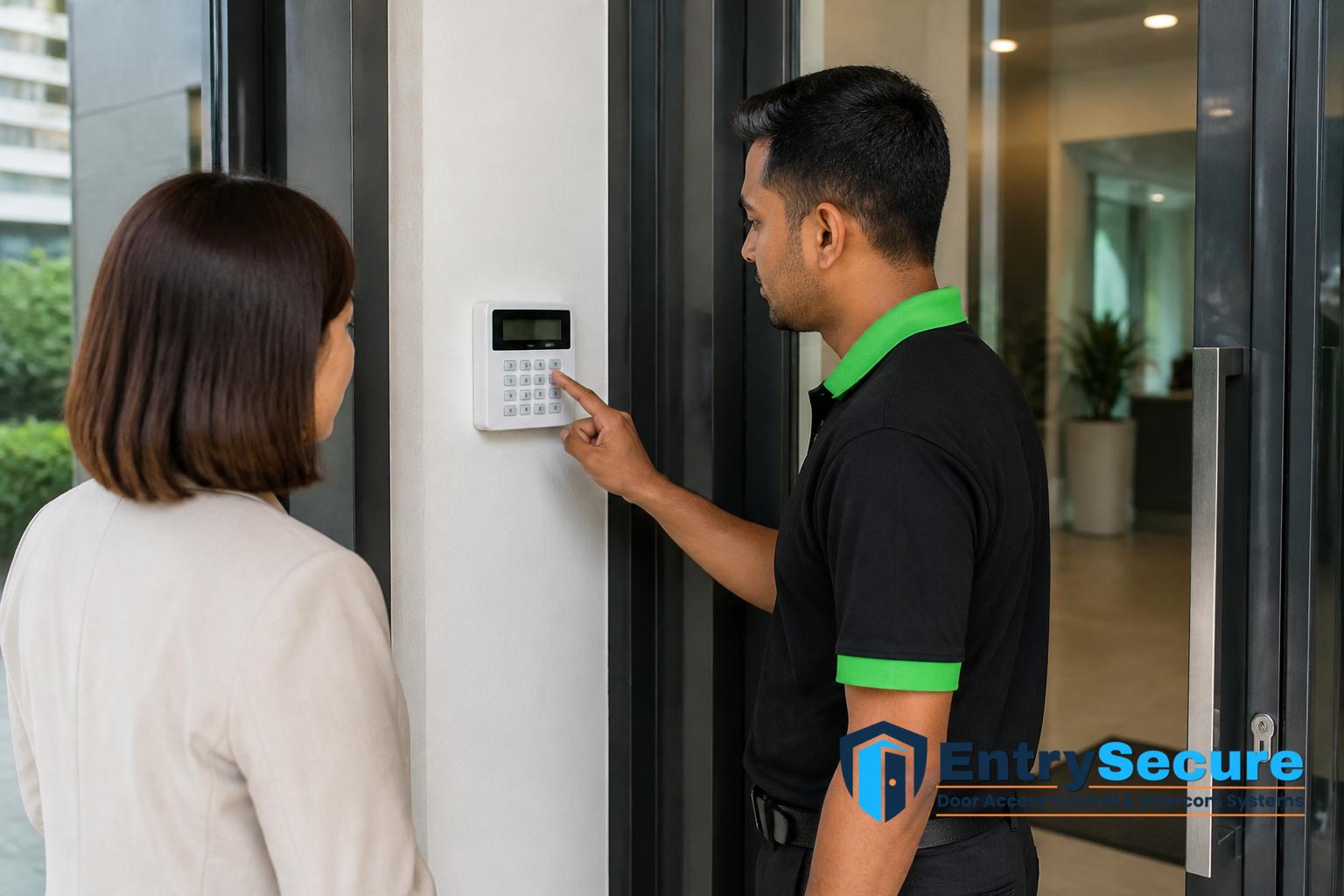
Home alarm systems for doors and windows are usually set up to detect unauthorised opening or tampering at the main entry points of a property. In Singapore homes, the practical approach is to assess each door and window that needs coverage, choose suitable sensors, position the control panel carefully, and test the system thoroughly after installation. The goal is not just to place devices on openings, but to ensure they work reliably within the home’s layout and daily use.
Start with a proper assessment of the home’s entry points
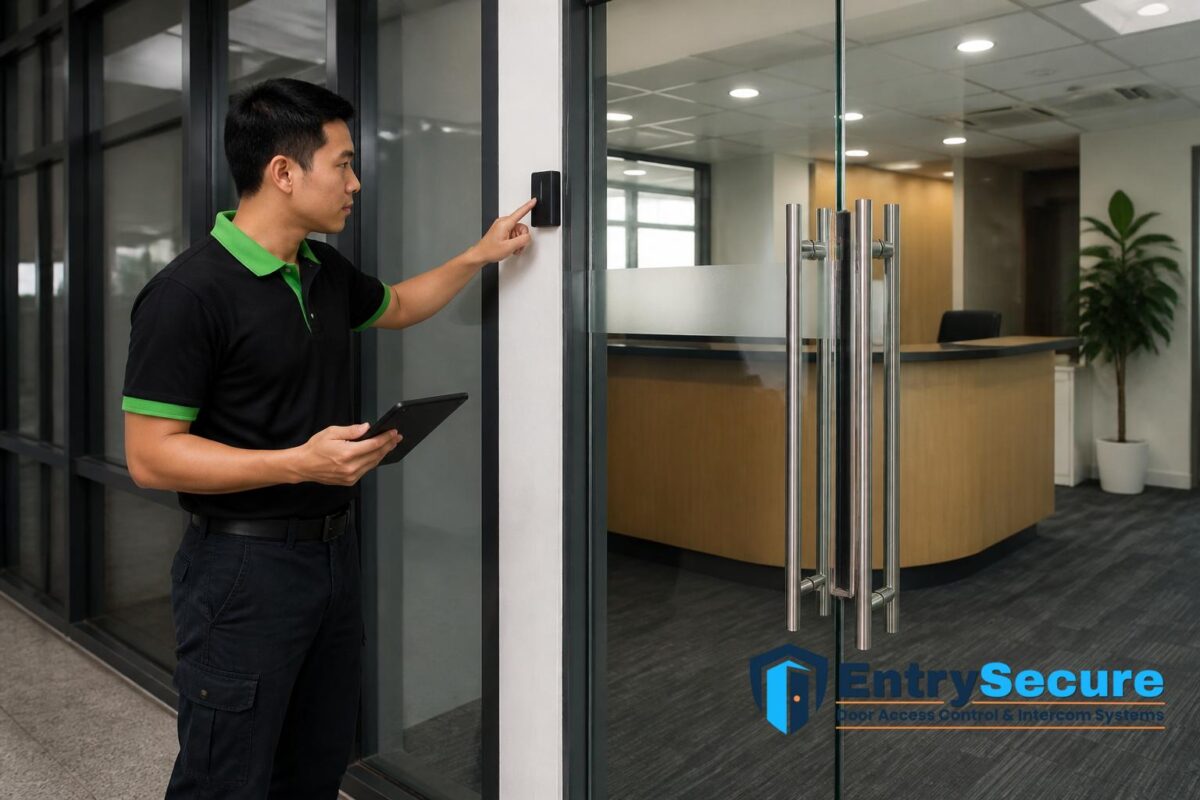
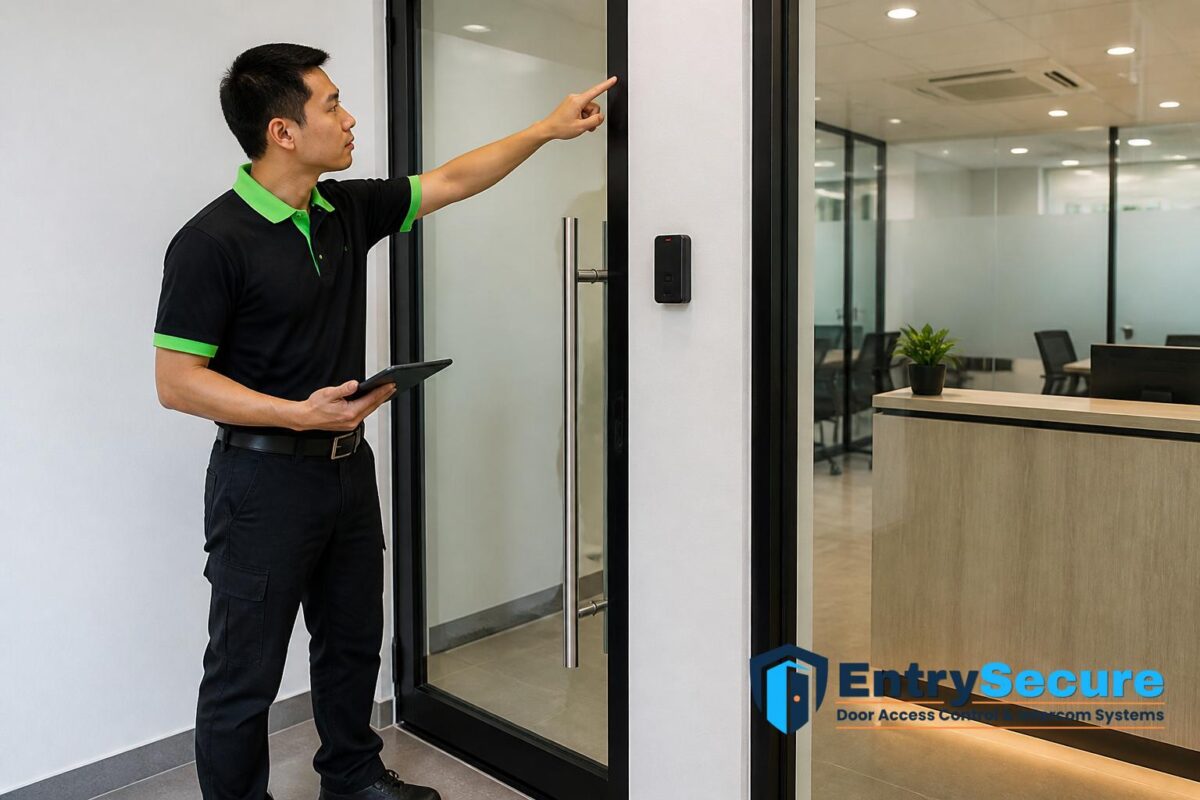
The first step is to identify which doors and windows should be protected. In a typical Singapore home, this may include the main front door, service yard door, balcony door, and selected windows that are easier to access. A professional installer will look at the property type, the number of openings, the material of the frames, and how often each entry point is used.
This assessment matters because not every opening needs the same setup. Some doors may suit a simple contact sensor, while other areas may require a different arrangement due to frame type, movement, or space constraints. Planning at this stage helps avoid awkward placements and reduces the chance of false alerts from poorly positioned devices.
Choose the right sensors for doors and windows
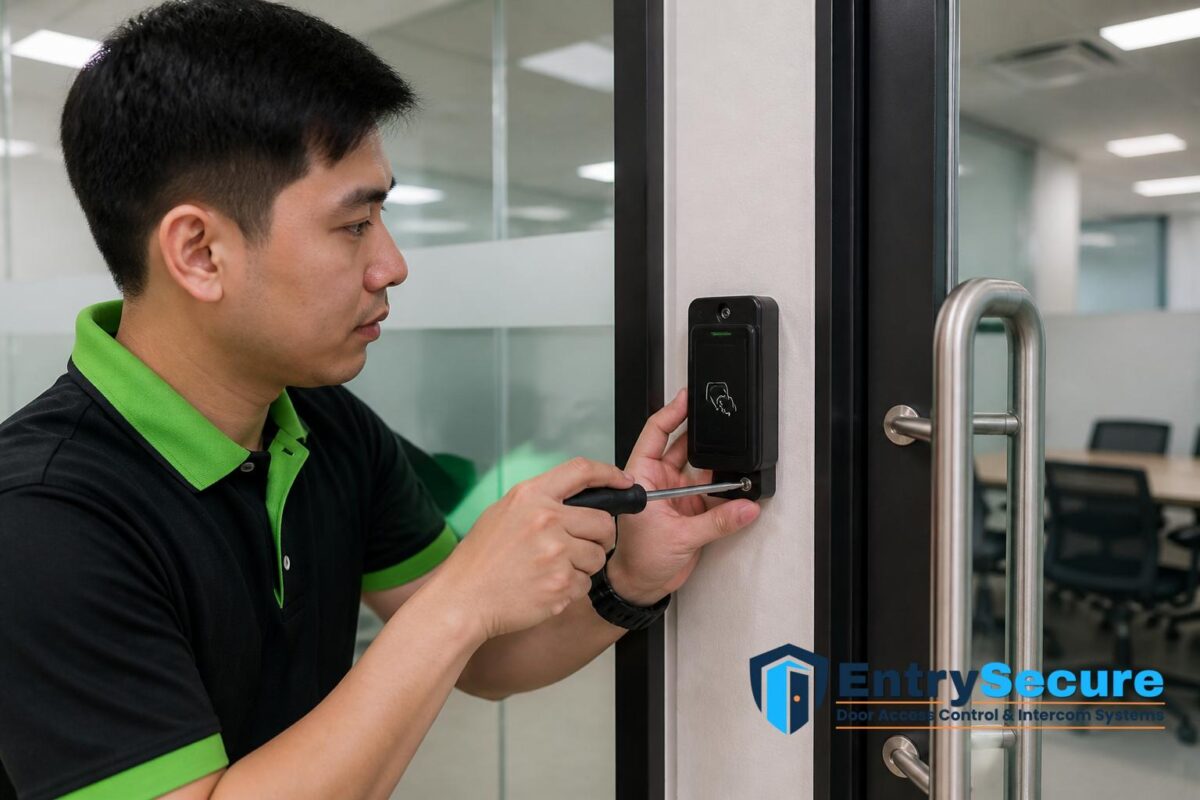
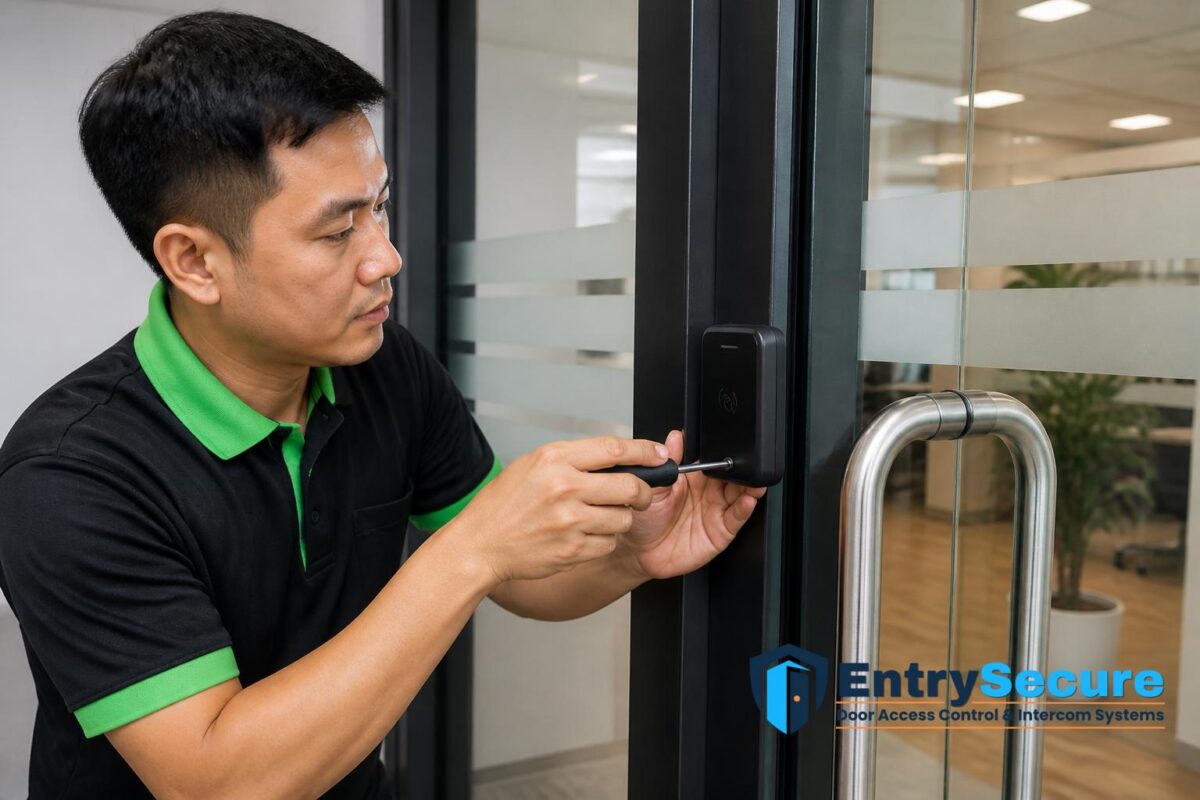
For most home alarm systems, the common setup uses entry sensors mounted on the door or window frame and its moving part. When the door or window opens, the connection is broken and the alarm system can register the event. This makes them suitable for perimeter protection at points where someone would enter or exit the home.
Depending on the layout, installers may use separate sensors for different openings rather than relying on one generic placement. The selection should match the way each door or window opens, how much clearance is available, and whether the opening is part of regular daily use or only opened occasionally.
Position the control panel and main equipment carefully
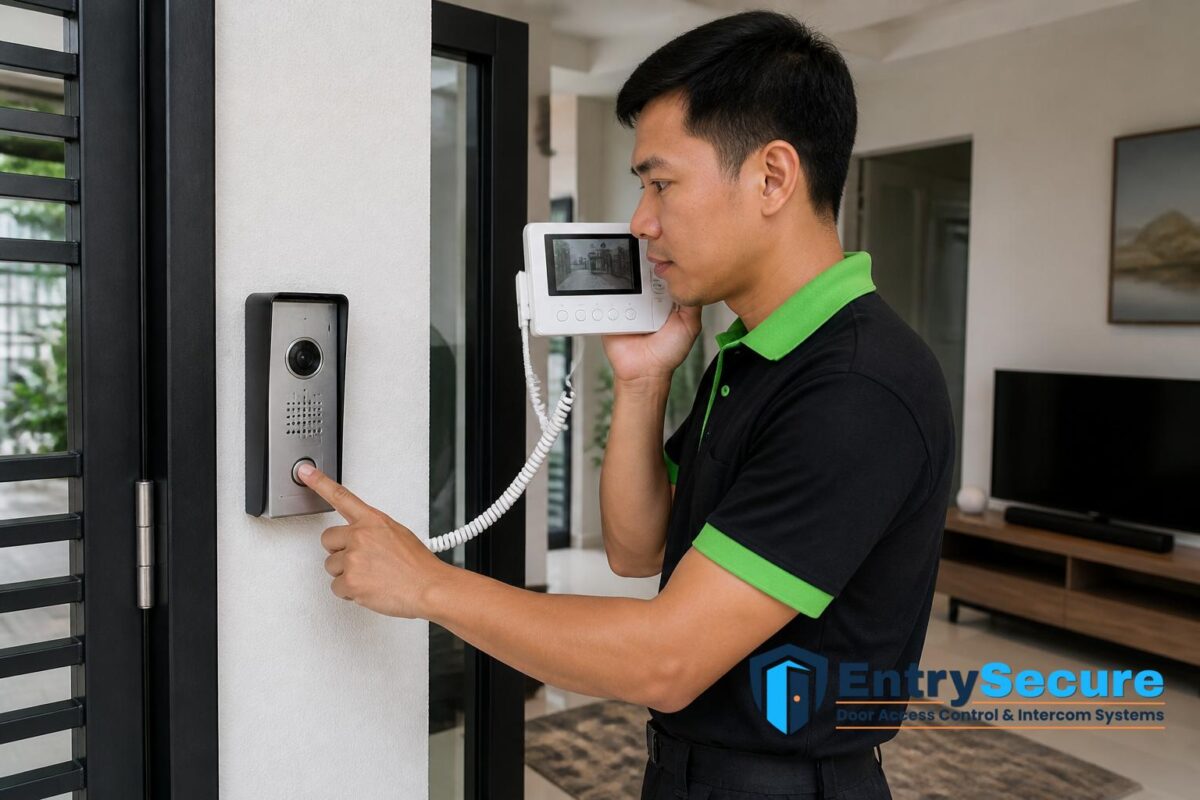
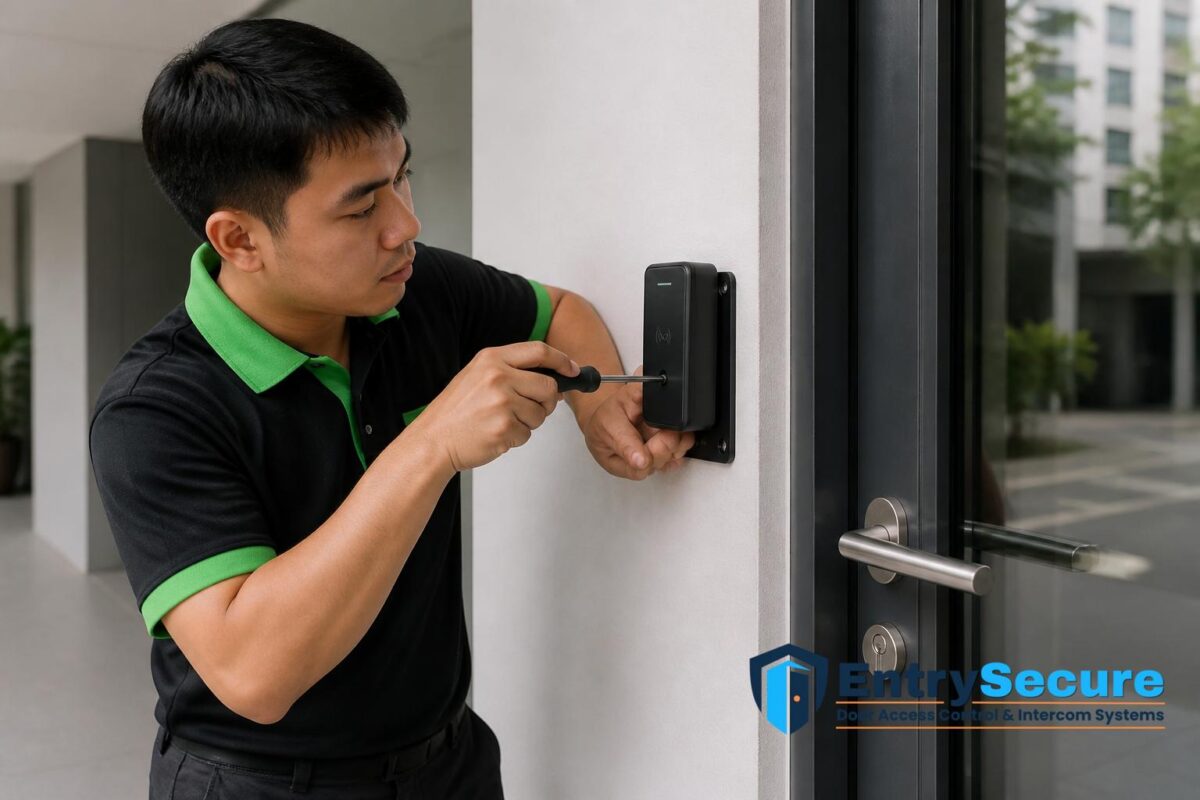
The control panel is the centre of the system, so it should be installed in a location that is practical for daily use and protected from unnecessary handling. In many homes, it is placed near a main entrance or another accessible indoor point, allowing the system to be armed and disarmed conveniently when entering or leaving.
The installer will also consider where the alarm siren, power supply, and any backup components should go. These elements should be placed so the system can function properly without obstructing normal movement in the home. A neat installation also helps reduce wear on cables and makes future servicing easier.
Plan the cabling and power arrangement
Depending on the system design, home alarm systems may involve wired connections, wireless components, or a combination of both. For wired setups, the cable route should be planned to keep it tidy, secure, and as unobtrusive as possible. This often means following discreet paths along walls, frames, or hidden sections where practical.
Power planning is equally important. The system should have a reliable power source, and where appropriate, a backup arrangement to support operation during a power interruption. In Singapore homes, this is especially useful for maintaining consistent protection without requiring frequent manual attention.
Set up the alarm behaviour for everyday use
Once the devices are installed, the system needs to be configured so it suits the household’s routine. This includes deciding which doors and windows should trigger the alarm, how the system is armed and disarmed, and whether different parts of the home are protected in separate zones.
A sensible setup should support normal living without making the system inconvenient to use. For example, regularly used entry points may need careful placement so they can be operated smoothly, while less frequently used windows can be fully monitored without affecting daily movement. Good setup balances security with practicality.
Test each opening and confirm proper response
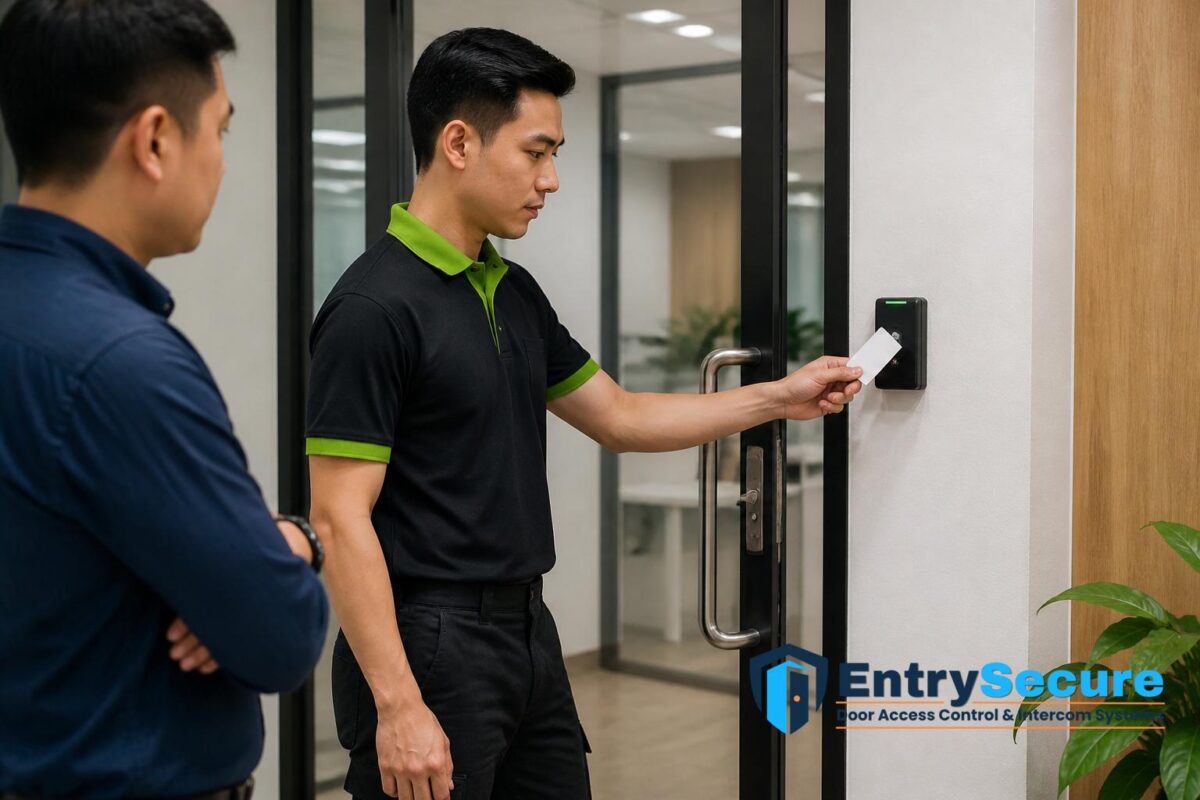
Testing is a key part of the installation process. Each sensor should be checked to confirm that opening the relevant door or window produces the expected system response. The installer will also verify that the control panel recognises the sensor correctly and that the alarm reacts consistently.
Testing should not be limited to a single check. It is better to confirm the behaviour of each protected opening, review any delay settings, and make sure the system is easy to arm and disarm for the household. This final step helps catch installation issues before the system is handed over for everyday use.
Consider false alerts, maintenance, and long-term use
A properly set-up home alarm system should be practical to live with. Poor placement, loose fittings, or a mismatch between the sensor and the opening can lead to false alerts or unnecessary inconvenience. That is why professional installation is useful, especially in homes where doors and windows are used frequently.
Over time, homeowners should also keep an eye on battery levels where relevant, check that sensors remain firmly aligned, and ensure the system is still working as intended after any home improvements or window replacements. Small changes to the home can affect how the alarm performs, so occasional review is sensible.
If you would like help setting up a home alarm system for doors and windows in Singapore, WhatsApp EntrySecure Door Access Control & Intercom Systems Singapore with your property type, entry points, photos, current equipment, and the security scope you need so the team can recommend a suitable arrangement and quotation.
Conclusion
Home alarm systems for doors and windows are set up by assessing the entry points, choosing suitable sensors, placing the control equipment sensibly, planning cabling and power, and testing each opening carefully. In Singapore homes, a well-considered installation helps the system fit the property layout and daily routine while providing practical perimeter protection.
Choose EntrySecure Door Access Control & Intercom Systems Singapore
EntrySecure Door Access Control & Intercom Systems Singapore provides access and security solutions for homes, offices and commercial properties across Singapore. Our services cover access control, door access systems, intercom systems, security systems, alarm systems and security alarm systems to support safer and more convenient entry management.
Based on your property layout and security needs, our team can recommend a suitable setup for controlling access, managing visitors and improving overall premises security. We also provide CCTV services for customers who require additional monitoring alongside their access or alarm system.
Whether you need a new door access system, intercom installation, alarm setup or a more complete security solution, our team can assist with a practical arrangement for your property. WhatsApp us at +65 8241 0032 to enquire about our access and security system solutions.
Frequently Asked Questions
Which doors and windows should be included in a home alarm system?
Usually the main entrance, service yard door, balcony door, and windows that are easier to reach from outside are considered first. The exact selection depends on the home layout and how each opening is used day to day.
Are wired or wireless alarm sensors better for Singapore homes?
Both can be suitable, depending on the property and the installation plan. Wired systems may suit some layouts well, while wireless options can be useful where running cables is less practical. The choice should be based on the home’s structure and the desired setup.
Why is professional installation important for door and window alarms?
Professional installation helps ensure sensors are positioned correctly, the system is configured properly, and each opening is tested thoroughly. This reduces the risk of poor alignment, inconvenient operation, or unreliable performance in daily use.